
Comprehensive Guide to Brake Repair: Signs, Solutions, and Costs
JG
When it comes to vehicle safety, brake maintenance is crucial. Understanding the signs of brake issues, knowing how to address them, and being aware of potential costs can ensure your vehicle remains safe and reliable on the road. This comprehensive guide will walk you through the essentials of brake repair.
Signs Your Brakes Need Attention
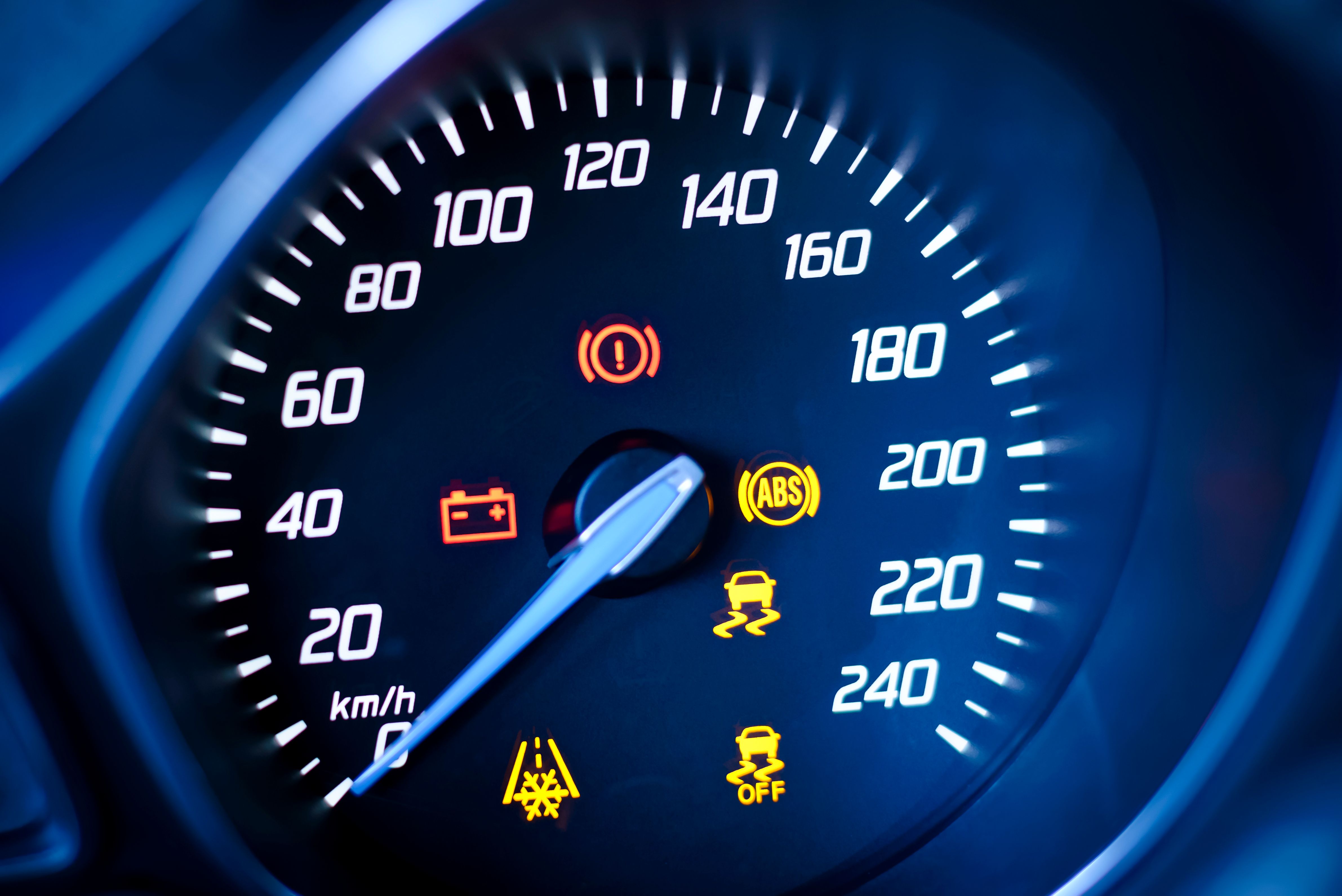
Several indicators suggest it's time to inspect your brakes. Recognizing these signs early can prevent more serious problems down the line. Here are some common warning signs:
- Squeaking or Squealing Noises: High-pitched sounds often indicate worn brake pads.
- Grinding Sound: This could suggest metal-on-metal contact, meaning pads are worn out.
- Vibrations: If your brake pedal pulses under normal braking conditions, it may be a sign of warped rotors.
Common Brake Problems and Solutions
Worn Brake Pads
Brake pads naturally wear down over time. If you hear squealing, it's often an indicator that the pads need replacement. Regularly checking and replacing them can prevent rotor damage.
Leaking Brake Fluid
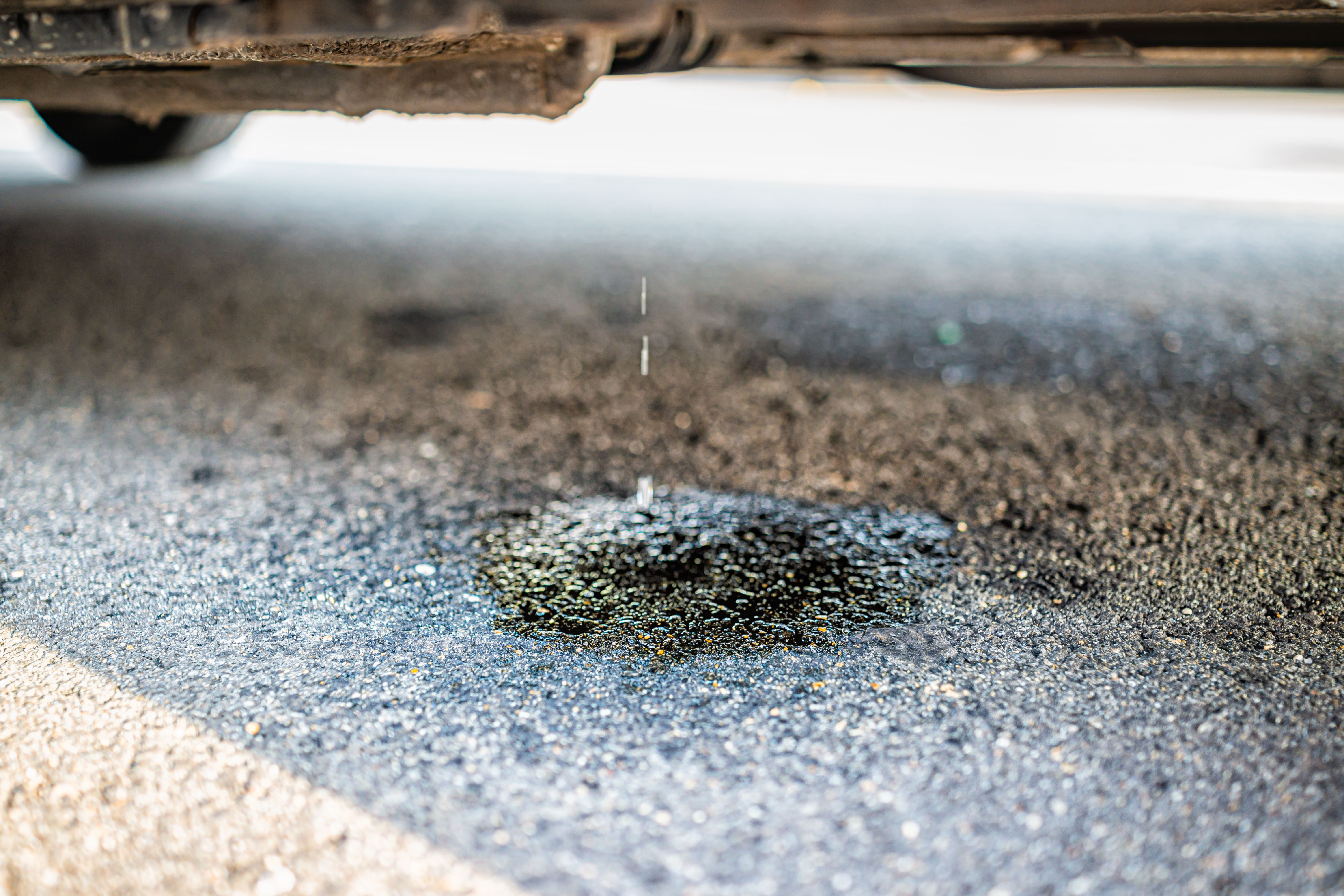
Brake fluid is vital for the hydraulic system of your brakes. If you notice a soft brake pedal, it might be due to a leak. Inspect for fluid under your vehicle and address it immediately to avoid complete brake failure.
Brake Rotor Issues
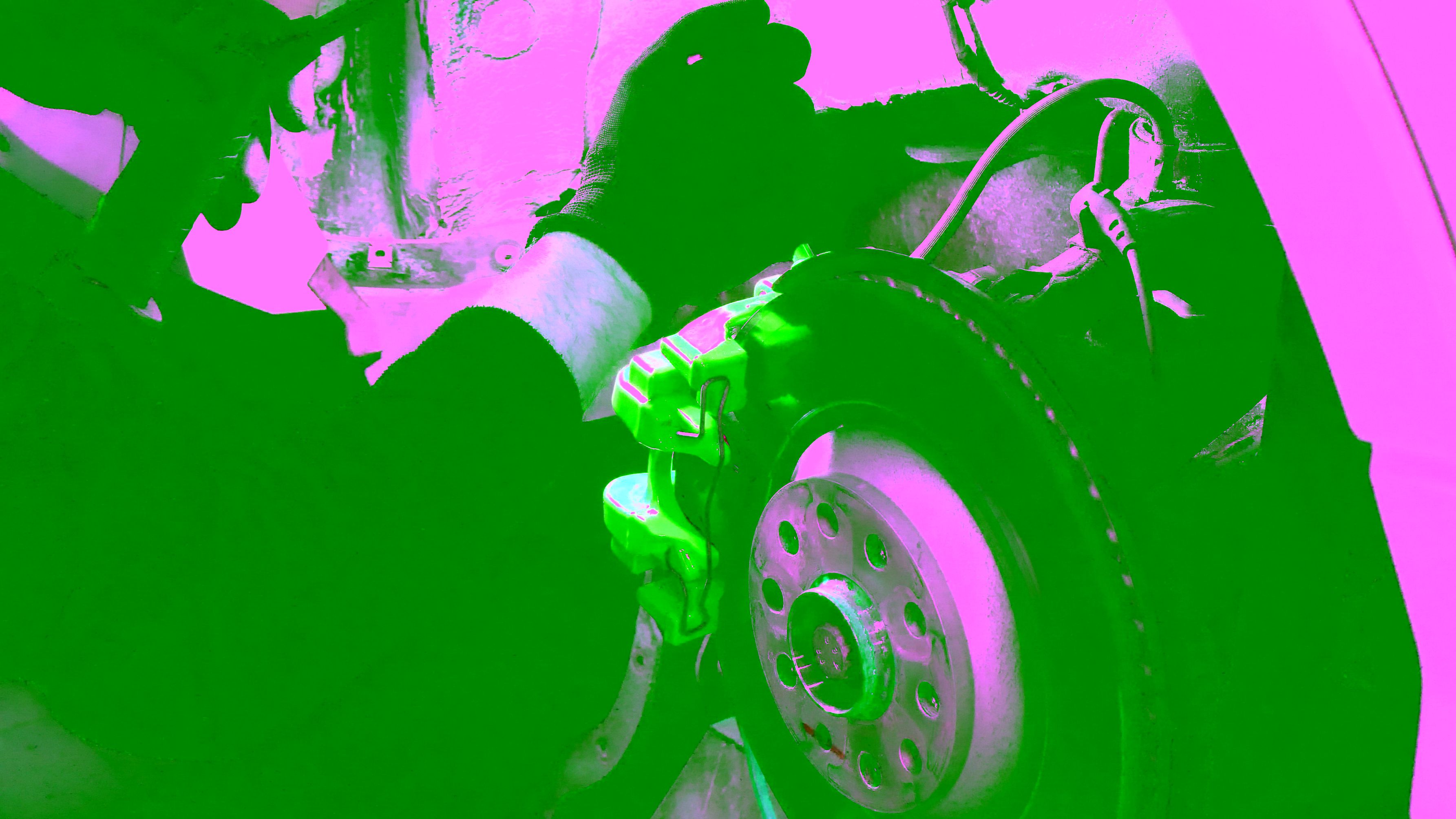
Warped or damaged rotors can lead to vibrations when braking. Resurfacing or replacing the rotors can solve this issue, ensuring your vehicle stops smoothly.
Understanding Brake Repair Costs
Brake repair costs can vary based on the vehicle, the extent of damage, and the parts required. Here's a general breakdown of potential expenses:
- Brake Pad Replacement: Typically ranges from $100 to $300 per axle, depending on the vehicle and quality of pads.
- Rotor Resurfacing or Replacement: Resurfacing costs around $30 to $75 per rotor, while replacements may cost $200 to $400 per axle.
- Brake Fluid Replacement: This service usually costs between $70 and $100.
Preventive Maintenance Tips
Regular maintenance can extend the life of your brakes and enhance safety. Here are some tips to keep your brakes in top condition:
- Check your brake pads every 12,000 to 15,000 miles.
- Flush and replace brake fluid every two years.
- Inspect the entire braking system annually for optimal performance.
By staying informed and proactive, you can ensure your vehicle's brakes remain effective and reliable. Whether you're addressing minor issues or scheduling regular maintenance, understanding your brake system will keep you safer on the road.