
DIY Vehicle Maintenance: Tips for Keeping Your Car in Top Condition
JG
Understanding the Basics
Maintaining your vehicle is crucial for ensuring its longevity and performance. Regular DIY maintenance can save you from costly repairs and keep your car running smoothly. Before diving into the specifics, it's essential to understand the basics of car maintenance.
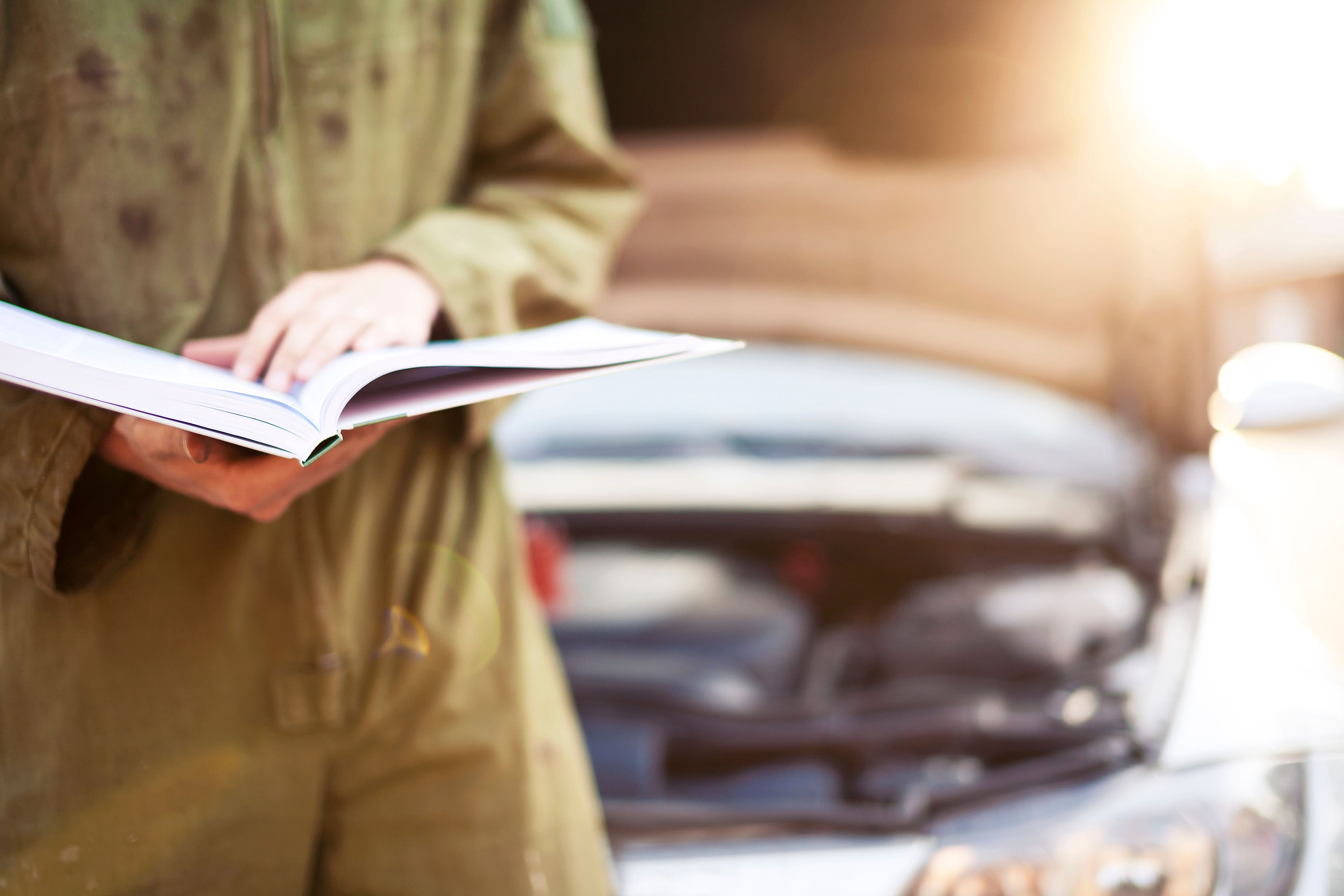
Start by familiarizing yourself with the owner’s manual. It provides valuable information on maintenance schedules, oil types, and more. Knowing these details can help you make informed decisions about your car’s care.
Regular Oil Changes
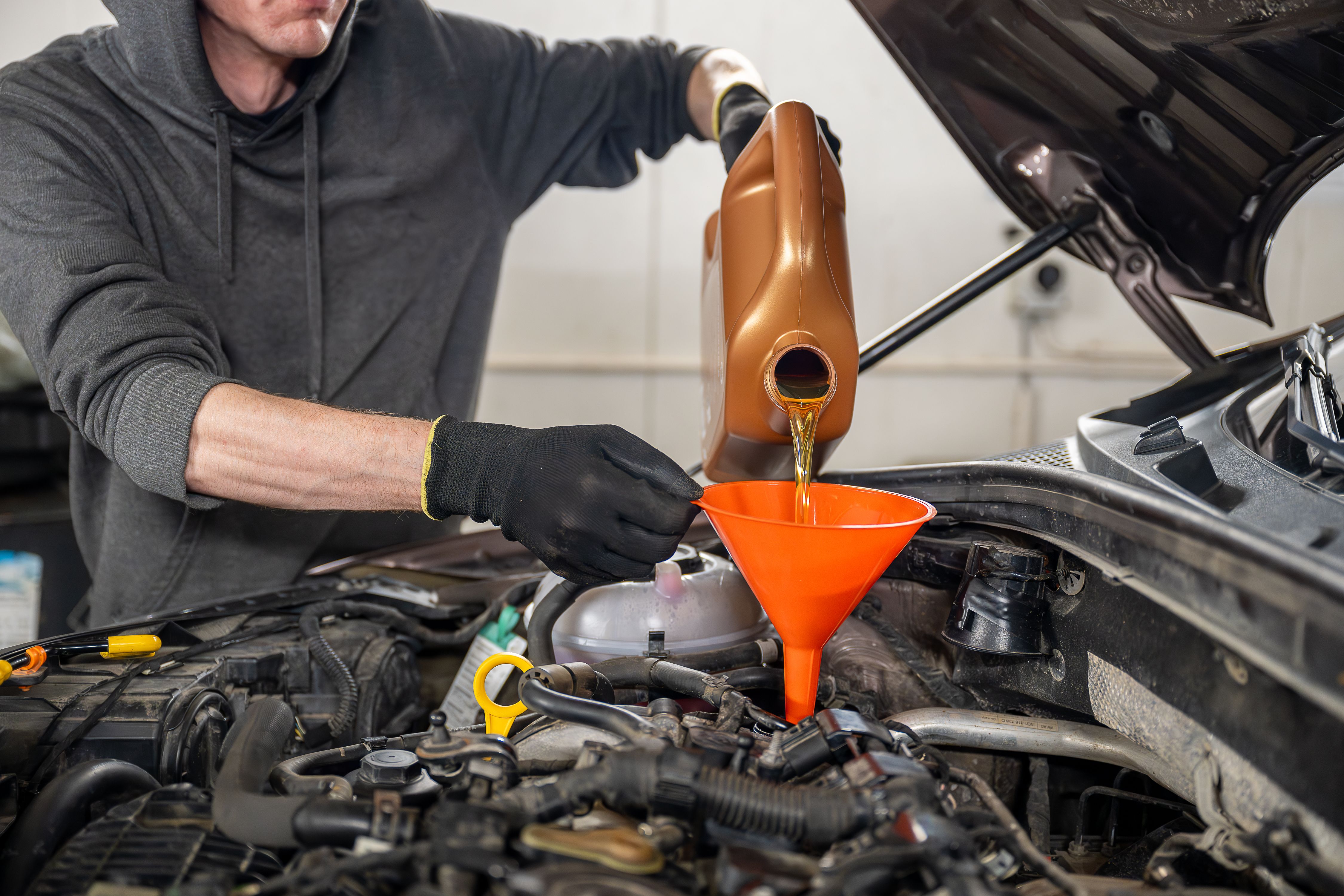
One of the most important aspects of vehicle maintenance is regularly changing the oil. Clean oil ensures that your engine runs smoothly and efficiently. Most experts recommend an oil change every 3,000 to 5,000 miles, but this can vary based on your vehicle and oil type.
To change the oil yourself, you'll need an oil filter, a wrench, and a container to catch the old oil. Make sure your car is parked on a flat surface and that the engine is cool before you begin. Follow the steps outlined in your manual for a successful oil change.
Checking and Replacing Air Filters
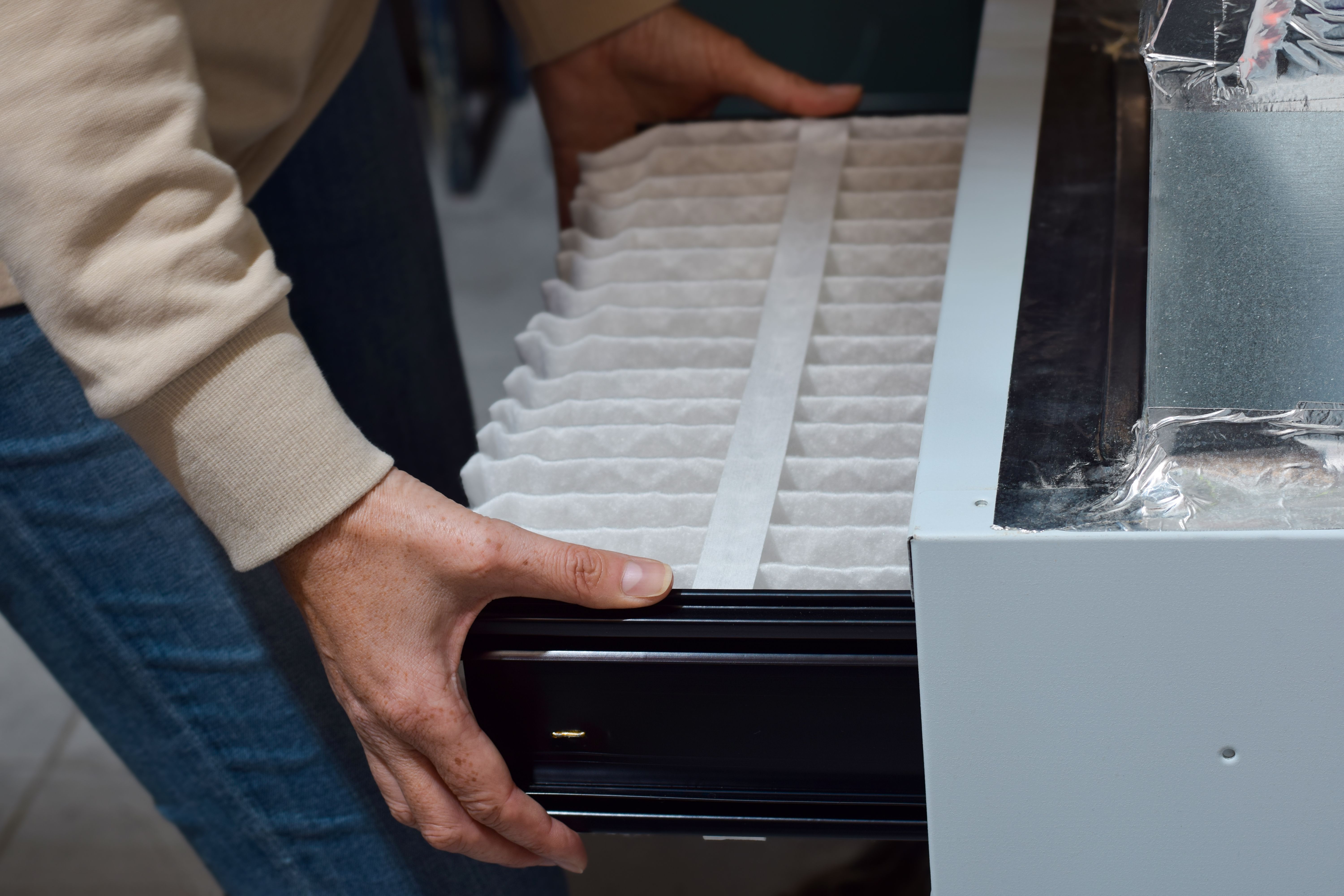
The air filter in your car prevents dirt and debris from entering the engine. A clean air filter is vital for maintaining your car’s performance and fuel efficiency. Check the air filter every 12,000 miles or once a year, whichever comes first.
Replacing an air filter is a simple task. Locate the filter box, remove the old filter, and replace it with a new one. This small step can make a significant difference in your vehicle's efficiency.
Tire Maintenance
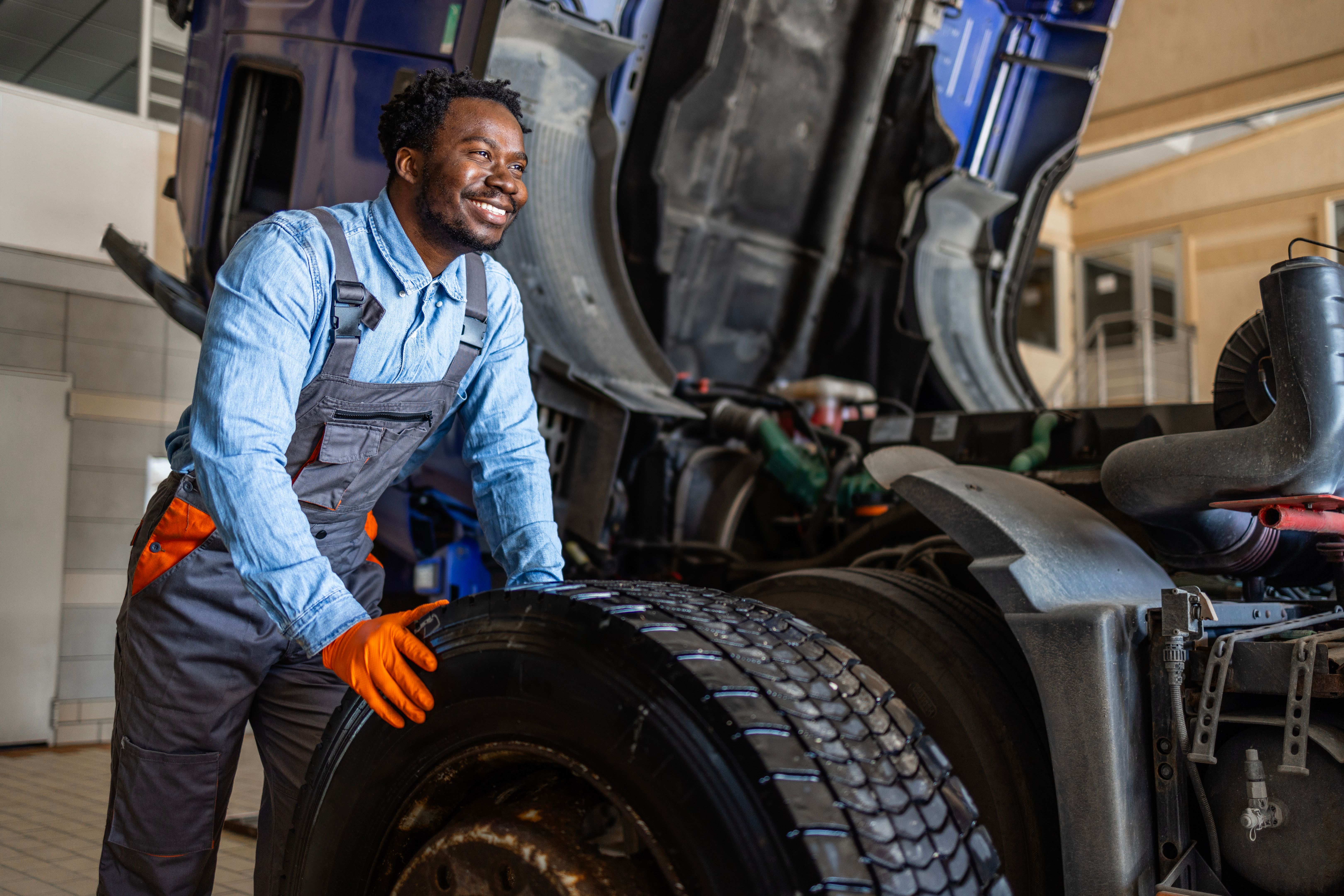
Your tires are the only contact between your car and the road, making their maintenance crucial for safety. Regularly check the tire pressure, as proper inflation improves fuel efficiency and extends tire life. Refer to the manual or the sticker inside the driver’s door for the recommended pressure.
Additionally, rotate your tires every 5,000 to 7,000 miles to ensure even wear. Inspect the tread for any signs of damage or excessive wear, and replace tires that are worn out.
Inspecting Brakes
Brakes are vital for your safety, so regular inspections are necessary. Listen for any unusual noises when applying the brakes, and pay attention to any changes in how the brake pedal feels. These could be signs that the brake pads need replacement.
Check the brake fluid regularly and ensure it’s at the correct level. If you notice any leaks or the fluid looks dirty, it’s time for a change or a professional inspection.
Battery Care
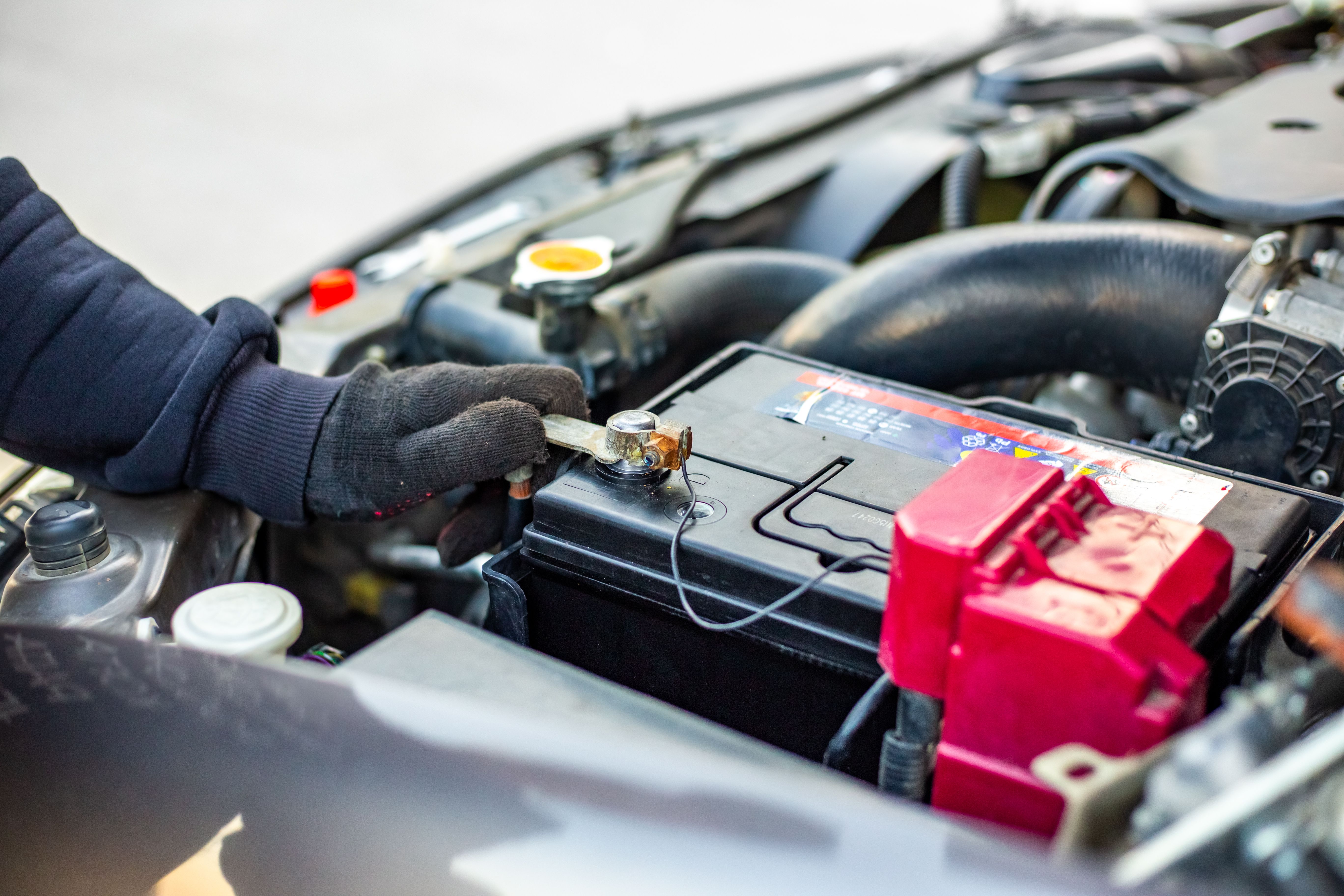
A well-maintained battery is essential for your car’s reliability. Check the battery terminals for corrosion and clean them with a mixture of baking soda and water if needed. Ensure that the battery is securely mounted and that the connections are tight.
Test the battery’s charge with a voltmeter. If the charge is low, consider charging it or replacing it if it’s old. A healthy battery should last about three to five years.
Conclusion
DIY vehicle maintenance is a rewarding way to keep your car in top condition, and it doesn't require advanced mechanical skills. By following these tips, you can extend your vehicle's life, enhance its performance, and ensure your safety on the road.
Remember, while DIY maintenance can cover many areas, some tasks are best left to professionals. If you're ever in doubt, consult a mechanic to avoid potential issues down the road.