
Expert Tips for Successful Transmission Repair: Avoid Common Pitfalls
JG
Transmission repair is a critical aspect of vehicle maintenance that requires precision and expertise. Whether you're a seasoned mechanic or a car enthusiast, understanding the nuances of transmission repair can save you time, money, and stress. In this post, we'll explore expert tips to help you avoid common pitfalls and ensure successful transmission repairs.
Understanding Transmission Basics
Before diving into repairs, it's important to have a basic understanding of how a transmission works. The transmission is responsible for transferring power from the engine to the wheels. It adjusts the engine's output to ensure the vehicle runs efficiently at different speeds. Knowing the types of transmissions, such as automatic and manual, will help you diagnose and address issues more effectively.

Each type of transmission has its own set of components and potential problems. Familiarize yourself with these to better anticipate what repairs might be necessary for your specific vehicle type.
Recognizing Early Warning Signs
Identifying issues early can prevent costly repairs down the line. Some common warning signs include unusual noises, difficulty shifting gears, and leaking transmission fluid. Pay attention to these signs and address them promptly to avoid further damage.
Regular maintenance checks can help catch these issues before they escalate. This includes checking fluid levels and looking for any signs of wear and tear.
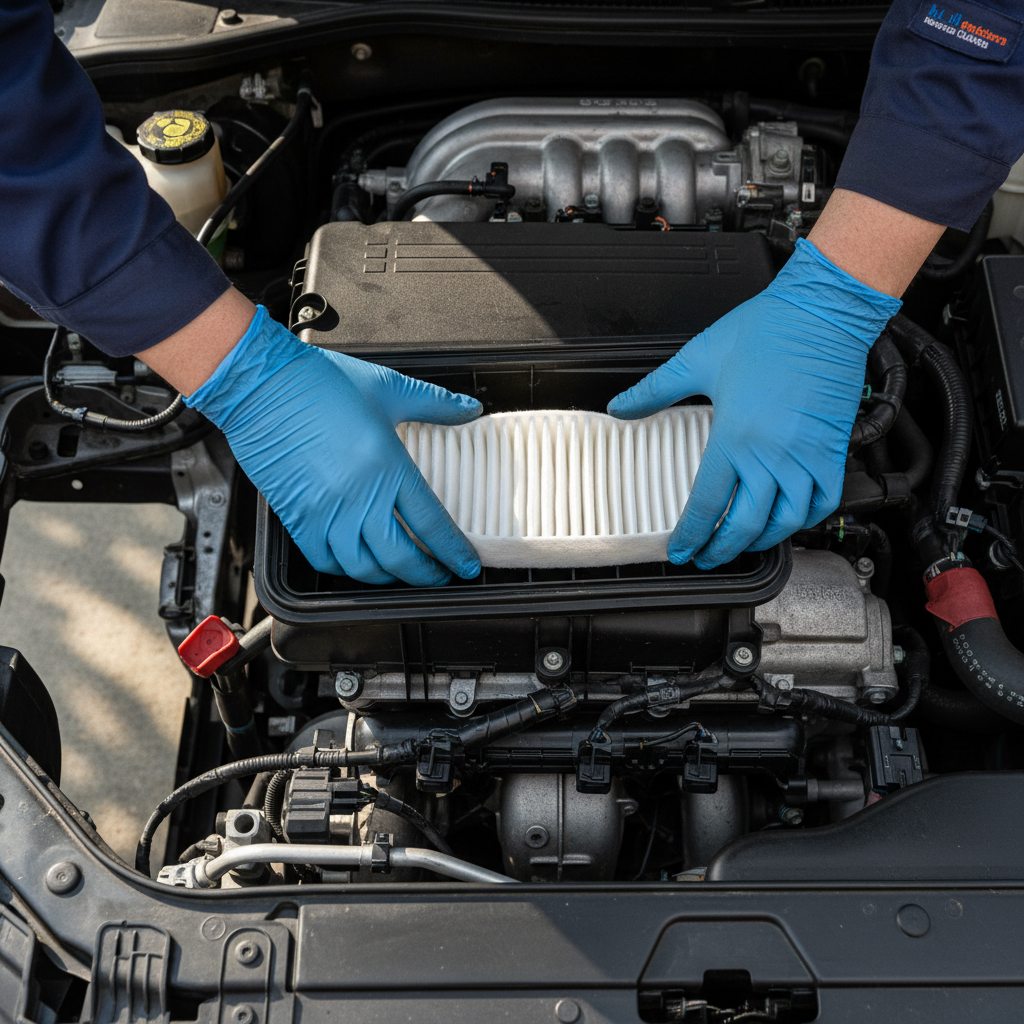
Choosing the Right Parts
When it comes to transmission repair, using the right parts is crucial for ensuring longevity and performance. Opt for high-quality, OEM (Original Equipment Manufacturer) parts whenever possible. This ensures compatibility and reliability.
If OEM parts are not available, consider reputable aftermarket alternatives. However, be cautious and consult with a professional to ensure these parts meet the necessary standards.
Working with Professionals
While some transmission issues can be handled with DIY solutions, more complex problems require professional expertise. Working with experienced mechanics can provide you with peace of mind and ensure that repairs are done correctly.
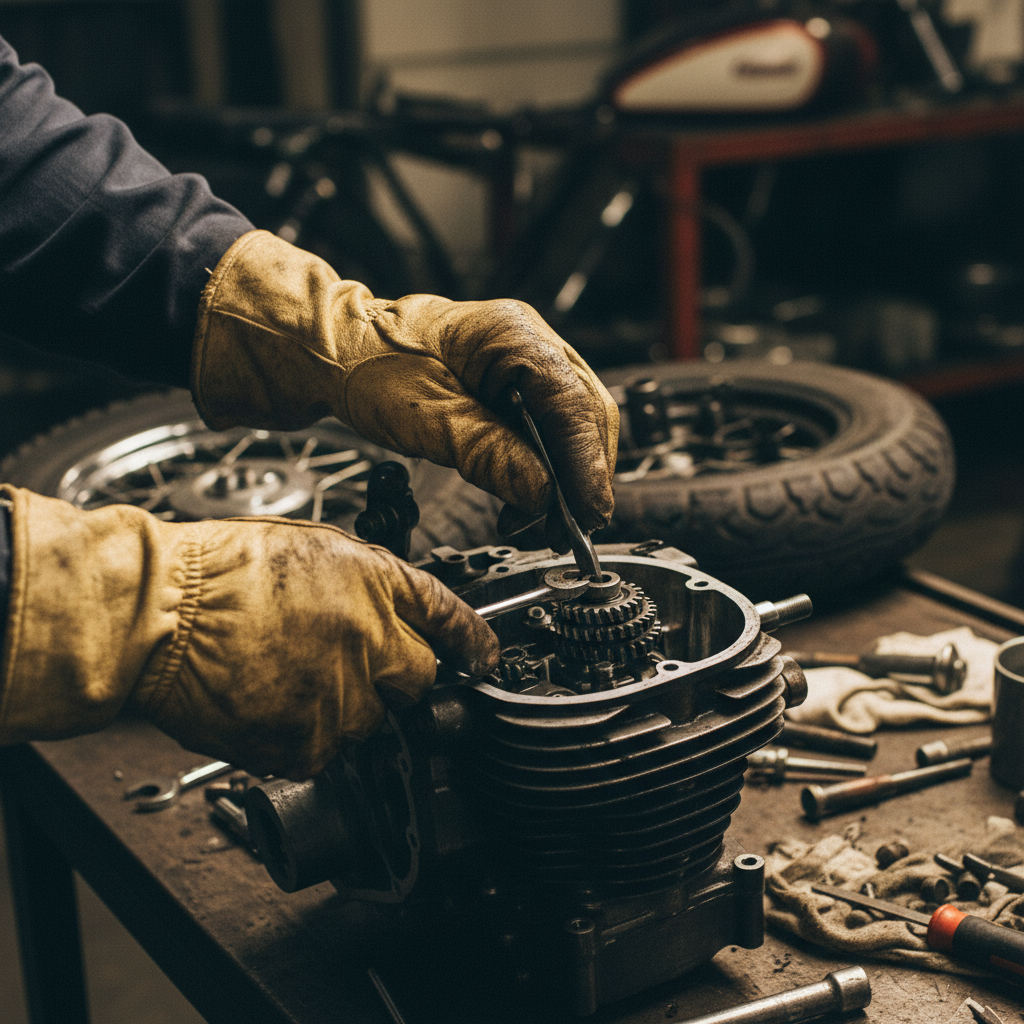
When selecting a repair shop, look for certifications and customer reviews. A reputable shop will have trained technicians who can accurately diagnose and repair transmission issues.
Preventative Maintenance Tips
Preventative maintenance is key to avoiding major transmission repairs. Regularly changing transmission fluid, checking for leaks, and ensuring proper engine tuning can extend the life of your transmission.
- Schedule regular maintenance checks.
- Use the correct type of transmission fluid.
- Avoid aggressive driving which can strain the transmission.
By following these simple steps, you can prevent many common transmission issues and keep your vehicle running smoothly.
Conclusion
Successful transmission repair involves understanding the system, recognizing early warning signs, using quality parts, and knowing when to seek professional help. By adhering to these expert tips, you can avoid common pitfalls and ensure your vehicle remains in top condition for years to come.
Remember, regular maintenance is not just a recommendation but a necessity for the longevity of your vehicle's transmission. Stay informed, stay proactive, and your transmission will thank you.