
MOT Preparation: What You Need to Know Before Your Test
JG
Preparing for your MOT test can seem daunting, but with the right approach, it becomes manageable. Ensuring your vehicle is in top condition not only helps it pass the test but also keeps you safe on the road.
Understanding the MOT Test
The MOT test is an annual safety check required for vehicles over three years old in the UK. It assesses various parts of your car to ensure they meet the legal standards. While it might feel nerve-wracking, remember that it's designed to keep you and other road users safe.
Knowing what to expect during the test can help you prepare adequately. The test covers everything from lights and emissions to brakes and tires. It's essential to familiarize yourself with the test components to ensure your car is ready.
Pre-Test Checks
Lights and Signals
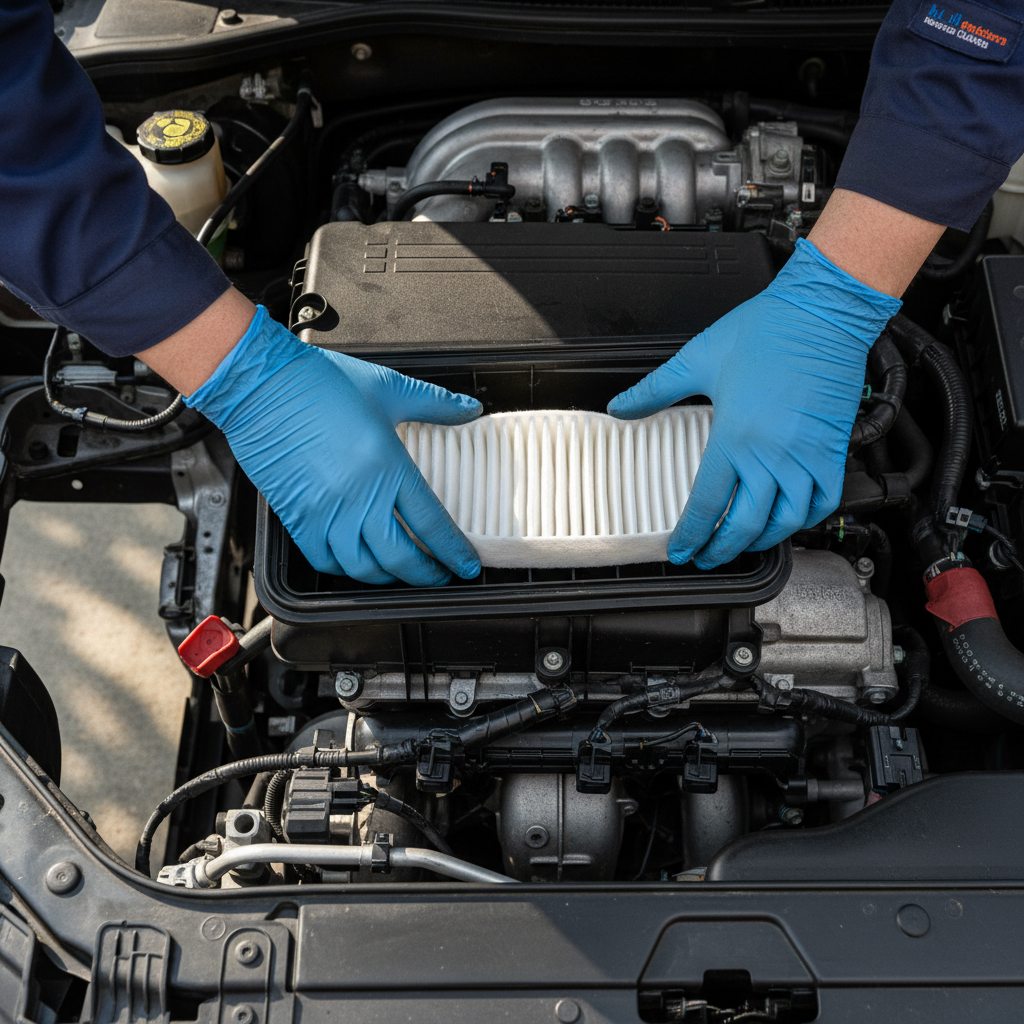
Ensure all your lights and indicators are working correctly. This includes headlights, brake lights, indicators, and hazard lights. Replacing a bulb is a simple fix that can prevent a test failure.
Brakes and Tires
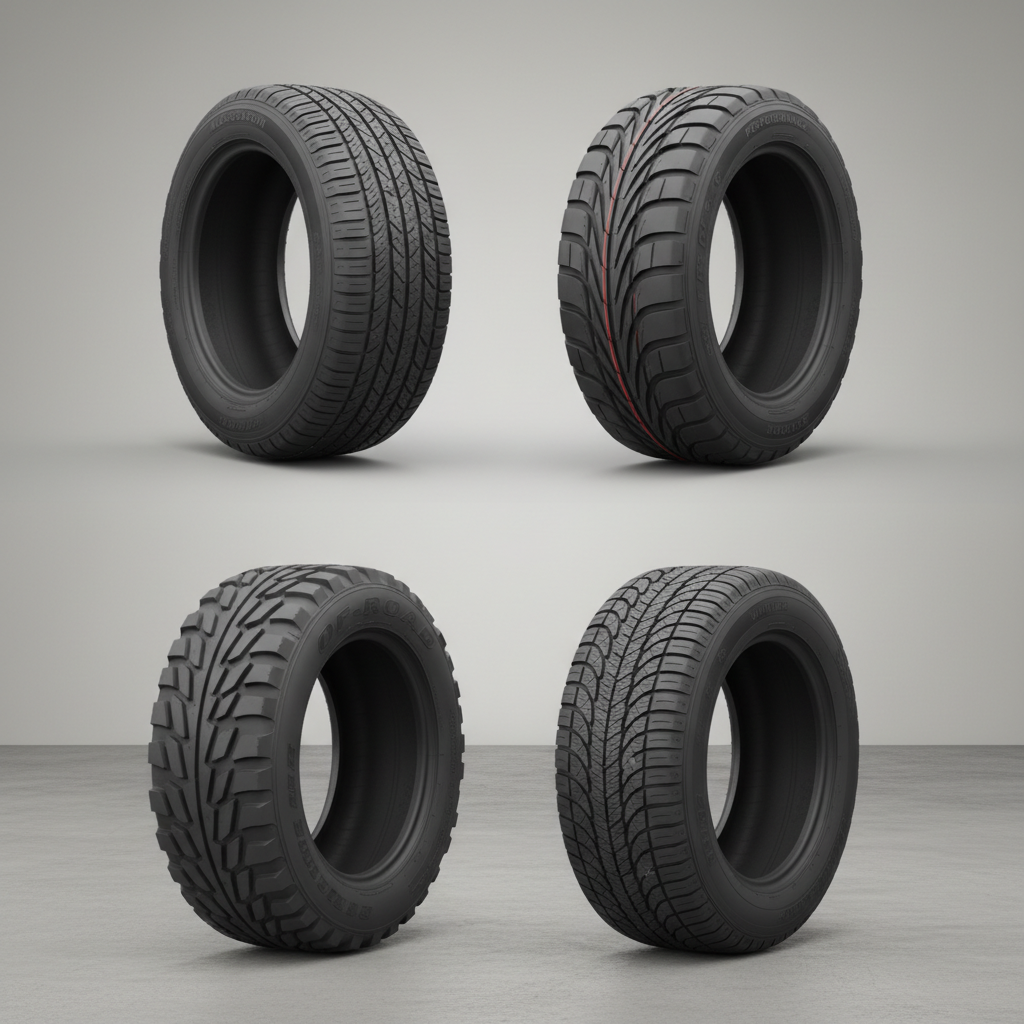
Check your brakes for wear and ensure they function smoothly. Your tires should have a tread depth of at least 1.6mm across the central three-quarters of the tire. Inflate them to the recommended pressure.
Emissions and Exhaust
Your car's exhaust system must be intact and free of leaks. Consider having a professional perform an emissions test beforehand to ensure your vehicle meets the necessary standards.
If your car has a diesel particulate filter, make sure it's functioning properly. A clean filter will help reduce emissions and improve engine performance.
Documentation and Other Essentials
Bring the Right Documents
On the day of the test, ensure you have all necessary documents, including your V5C logbook and previous MOT certificates if applicable. These documents help verify your vehicle's history and ensure a smooth testing process.
Regular Maintenance
Regular maintenance is vital for passing your MOT. Keep up with oil changes, brake fluid checks, and other routine services. A well-maintained car is more likely to pass the test without issues.

Post-Test Considerations
If your car passes, you'll receive a certificate valid for one year. Remember to address any advisories noted during the test, as these could become more significant issues over time.
In the event of a failure, don't worry. You'll receive a detailed report on what needs fixing. Address these issues promptly and schedule a retest to ensure your car is roadworthy.