
Suspension Repairs: Signs Your Car Needs Immediate Attention
JG
Understanding Your Car's Suspension System
Your car's suspension system plays a crucial role in providing a smooth and stable ride. It connects the vehicle to its wheels, ensuring control and comfort even on rough terrains. A well-functioning suspension system not only enhances your driving experience but also contributes to the overall safety of your vehicle.
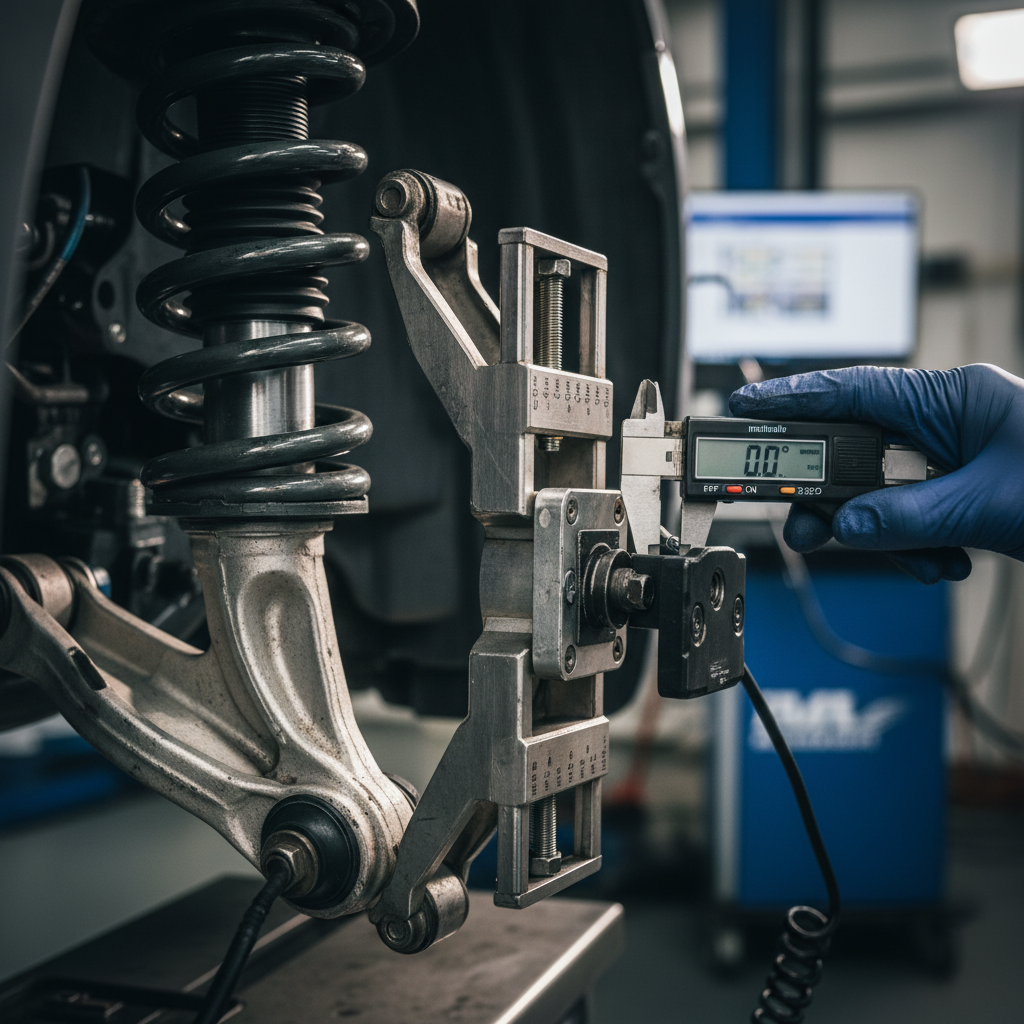
Common Signs of Suspension Problems
Recognizing the signs of suspension issues early can prevent more extensive damage and costly repairs. Here are some common indicators that your car's suspension may need immediate attention:
- Uneven Tire Wear: If you notice that your tires are wearing out unevenly, it could be a sign of suspension misalignment.
- Rough Ride: Feeling every bump and pothole could indicate worn-out shocks or struts.
- Drifting or Pulling: If your car drifts or pulls to one side while driving, it might be due to a suspension issue.
Strange Noises and Vibrations
Unusual noises such as squeaking, clunking, or banging coming from your car's undercarriage can signal suspension problems. These sounds often occur when components like shocks, struts, or control arms are failing. Additionally, vibrations while driving, especially at higher speeds, can indicate worn suspension parts.

Visual Inspection and Leaks
A visual inspection of your car's suspension system can reveal signs of damage or wear. Look for oil leaks from shocks or struts, as this can indicate they are no longer functioning properly. Also, check for any visible damage or bent components in the suspension system.
Handling and Steering Difficulties
If you experience difficulties in handling or steering your vehicle, it may be related to suspension problems. A loose or unresponsive steering wheel could be a sign of worn suspension components affecting the vehicle's stability and control.

When to Seek Professional Help
While some minor issues can be addressed with DIY solutions, it's essential to seek professional help for significant suspension problems. A qualified mechanic can accurately diagnose and repair any issues, ensuring your vehicle remains safe and reliable.
Preventative Maintenance Tips
Regular maintenance can help prevent suspension problems. Here are a few tips to keep your suspension system in top condition:
- Regularly check tire pressure and alignment.
- Inspect shocks and struts for leaks or damage.
- Schedule routine suspension inspections with a trusted mechanic.
By staying vigilant and addressing suspension issues promptly, you can ensure a smoother, safer driving experience and extend the lifespan of your vehicle.