
Suspension Repairs Explained: What You Need to Know
JG
Understanding Suspension Repairs
Your vehicle's suspension system is crucial for a smooth and safe ride, but it's often overlooked until problems arise. Understanding how it works and when it needs repair can save you from costly breakdowns and ensure your car handles well.
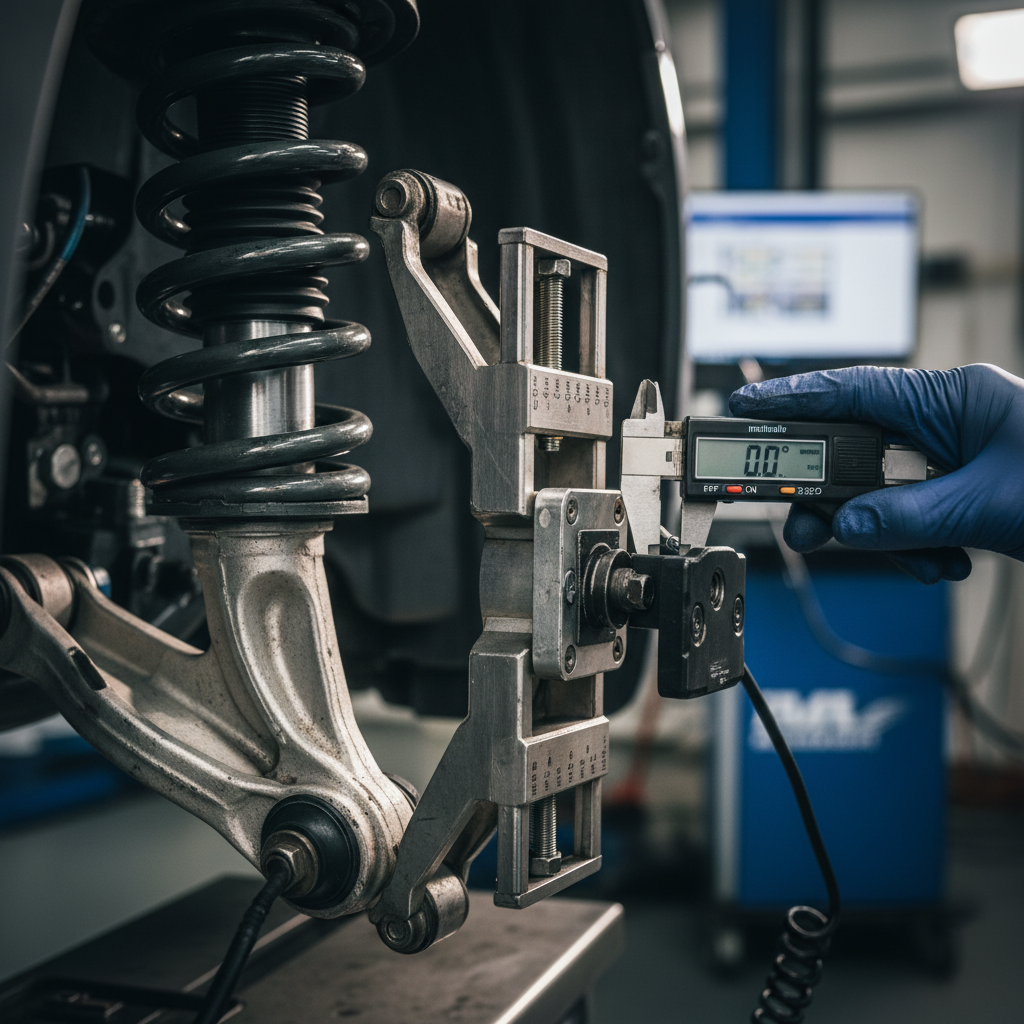
What is a Suspension System?
The suspension system comprises various components that work together to absorb shocks from the road and maintain tire contact. Key parts include springs, dampers, struts, and control arms. These elements help in maintaining stability, handling, and comfort.
Without a properly functioning suspension, you might experience a bumpy ride, difficulty steering, and uneven tire wear. Regular maintenance checks can help identify issues before they become major problems.
Signs You Need Suspension Repairs
Not sure if your suspension needs attention? Look for these signs:
- Uncomfortable Ride: If your car feels like it's bouncing excessively over bumps, it could indicate worn-out shocks or struts.
- Uneven Tire Wear: Misalignment or worn suspension components can cause your tires to wear unevenly.
- Drifting or Pulling: If your car drifts or pulls to one side, it might be a sign of suspension issues.

Common Suspension Repairs
Once you've identified potential issues, it's essential to know what repairs might be necessary. Here are some common suspension repairs:
- Shock and Strut Replacement: These components wear out over time and need replacement to maintain ride comfort and handling.
- Alignment Adjustment: Misalignment can affect your vehicle's handling and lead to uneven tire wear.
- Bushing Replacement: Bushings wear out and cause noise, vibration, and handling issues.
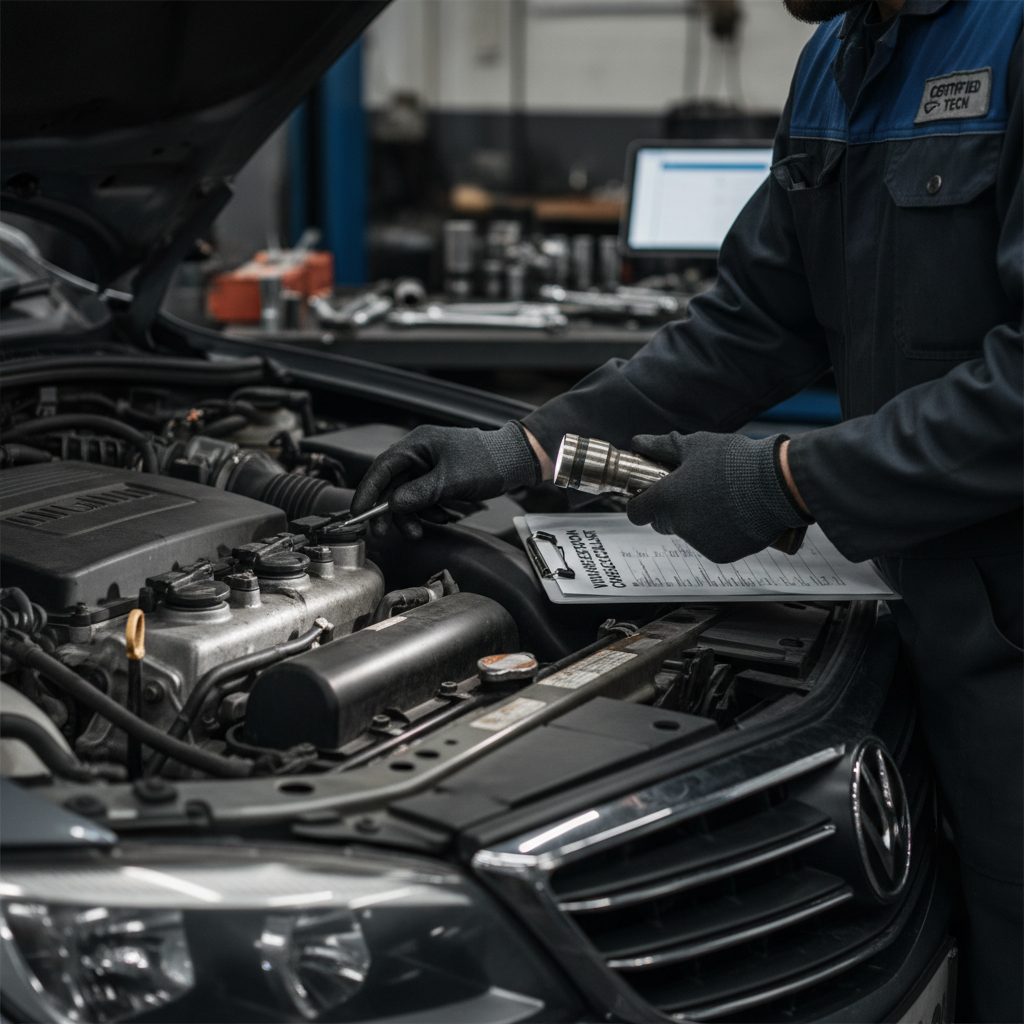
Consulting with a professional mechanic can help you determine the exact repairs needed for your vehicle.
Maintaining Your Suspension System
Keeping your suspension system in top shape doesn't have to be challenging. Regular inspections and maintenance can prevent major repairs. Here are some tips:
- Perform routine checks and address minor issues promptly.
- Ensure proper tire inflation and alignment for optimal performance.
- Schedule regular maintenance with a trusted mechanic.
Conclusion
Your vehicle's suspension system is vital for a smooth ride and safe handling. By understanding its components, recognizing signs of wear, and performing regular maintenance, you can ensure a reliable and comfortable driving experience. Don't hesitate to consult a professional if you suspect issues, as timely repairs can save you money in the long run.