
The Ultimate Guide to Digital Vehicle Diagnostics: What You Need to Know
JG
Introduction to Digital Vehicle Diagnostics
Digital vehicle diagnostics have revolutionized the way we maintain and repair vehicles. With the rise of technology, diagnosing car issues has become more efficient and precise. This guide will take you through everything you need to know about digital vehicle diagnostics, from its benefits to how it works.
What Are Digital Vehicle Diagnostics?
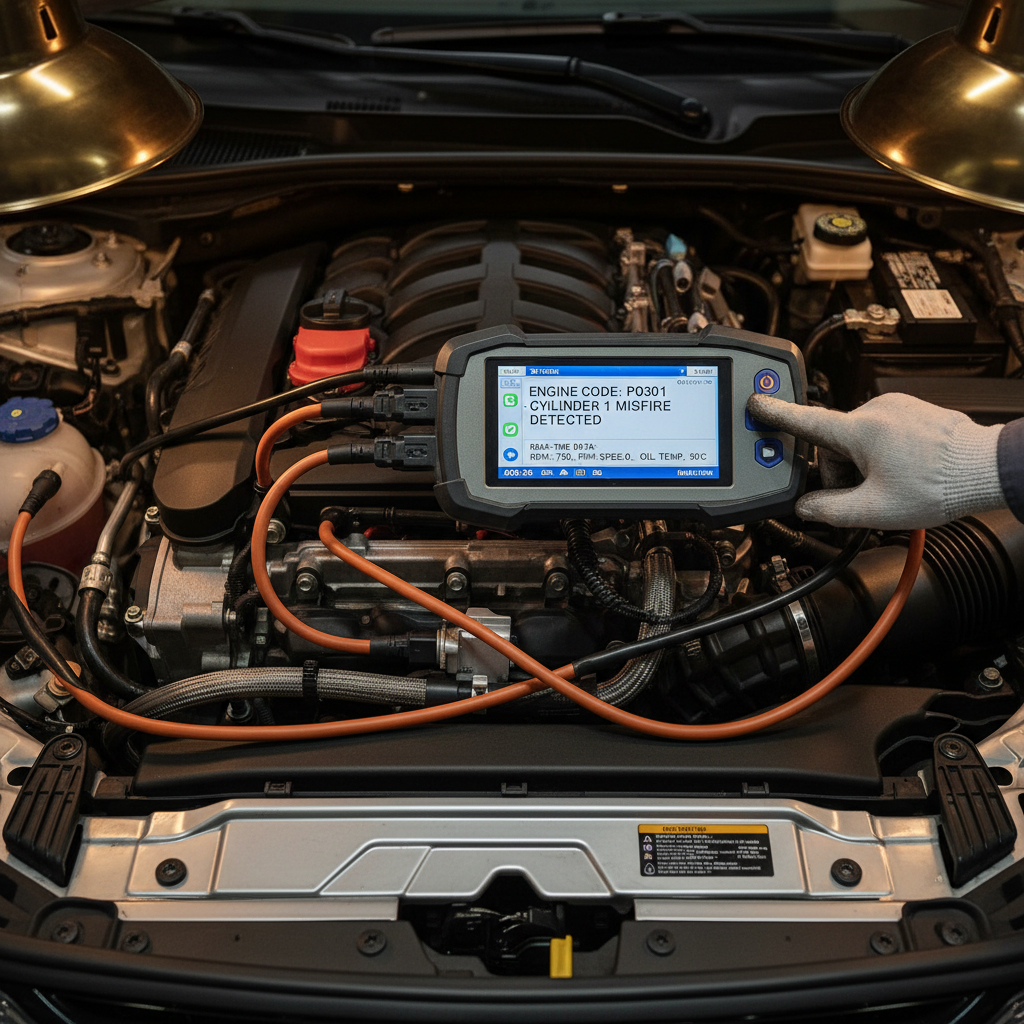
Digital vehicle diagnostics involve using computerized tools to assess and diagnose issues in a vehicle. These tools connect to the car's onboard computer system, retrieving data and identifying problems that may not be visible to the naked eye. This technology allows mechanics to pinpoint issues quickly and accurately.
How Digital Diagnostics Work
The process begins with connecting a diagnostic tool to the vehicle's OBD-II (On-Board Diagnostics) port. This port allows access to the car’s computer system, providing real-time data about the vehicle’s performance. The diagnostic tool reads error codes stored in the system, helping mechanics understand the root cause of any problems.
The Benefits of Digital Diagnostics
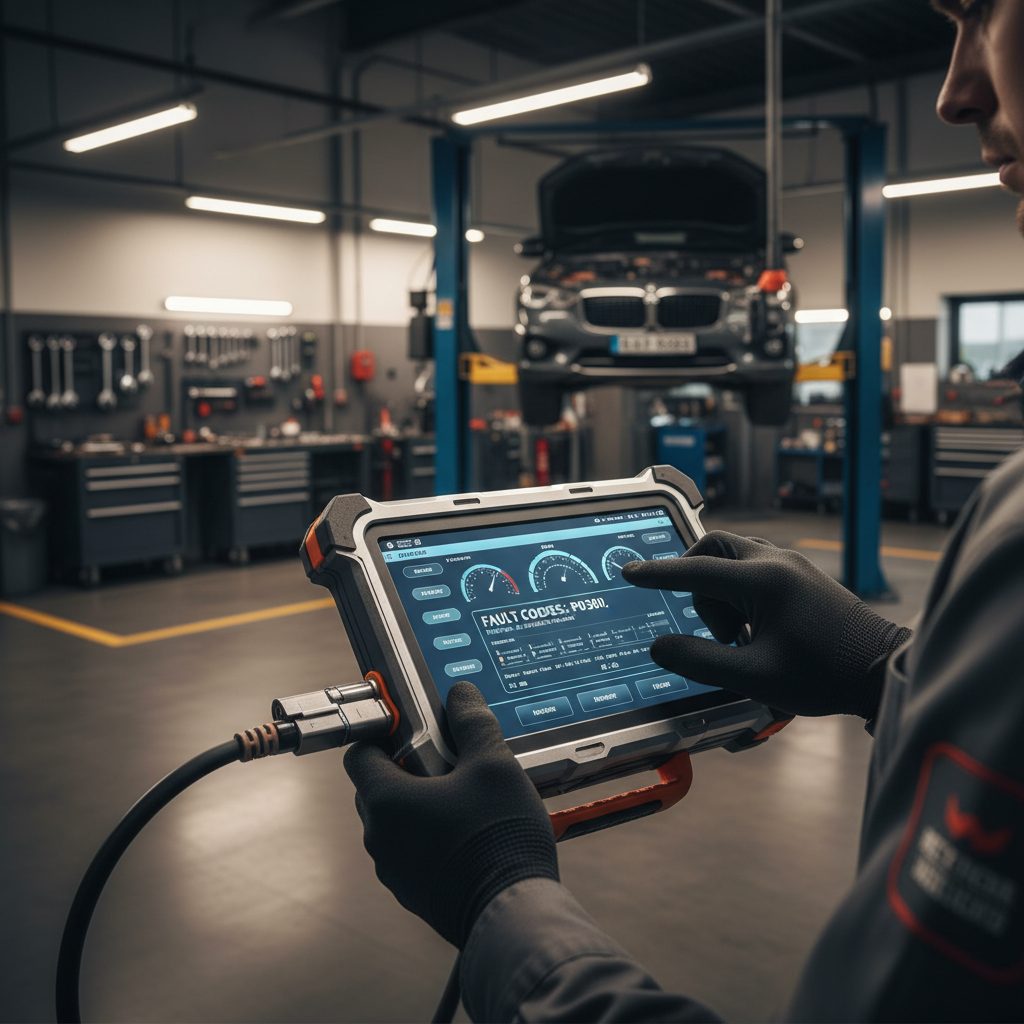
Digital diagnostics offer several advantages over traditional methods. Here are a few key benefits:
- Accuracy: Digital tools provide precise readings, reducing the chance of human error.
- Speed: Diagnosing issues is faster, saving both time and labor costs.
- Comprehensive: These diagnostics can detect a wide range of issues, from engine problems to electrical malfunctions.
Common Issues Detected by Digital Diagnostics
Digital diagnostics can identify numerous problems within a vehicle. Some common issues include:
- Engine misfires and inefficiencies
- Transmission problems
- Brake system faults
- Exhaust system malfunctions
Choosing the Right Diagnostic Tool
When selecting a digital diagnostic tool, consider factors such as compatibility with your vehicle, ease of use, and the range of features offered. Some tools provide basic code reading, while others offer advanced features like live data streaming and graphing capabilities.
DIY vs. Professional Diagnostics
While many car owners invest in personal diagnostic tools, professional diagnostics performed by experienced mechanics offer more comprehensive insights. Professionals have access to advanced equipment and possess the expertise to interpret complex data accurately.

Future of Vehicle Diagnostics
The future of digital vehicle diagnostics looks promising, with advancements in AI and machine learning enhancing accuracy and efficiency. These technologies will likely lead to even quicker diagnostics and predictive maintenance, further reducing vehicle downtime.
Understanding digital vehicle diagnostics is crucial for both car owners and mechanics. As technology continues to evolve, staying informed about these advancements will ensure optimal vehicle performance and longevity.