
The Ultimate Guide to Vehicle Servicing: Keeping Your Car in Top Shape
JG
Understanding the Basics of Vehicle Servicing
Regular vehicle servicing is essential for maintaining your car's performance and extending its lifespan. It involves a series of checks and replacements that ensure your vehicle runs smoothly. By sticking to a routine service schedule, you can avoid costly repairs and breakdowns.
Most manufacturers recommend servicing your car every 12,000 miles or 12 months, whichever comes first. However, this can vary depending on your driving habits and conditions. Always refer to your vehicle’s manual for specific guidance.
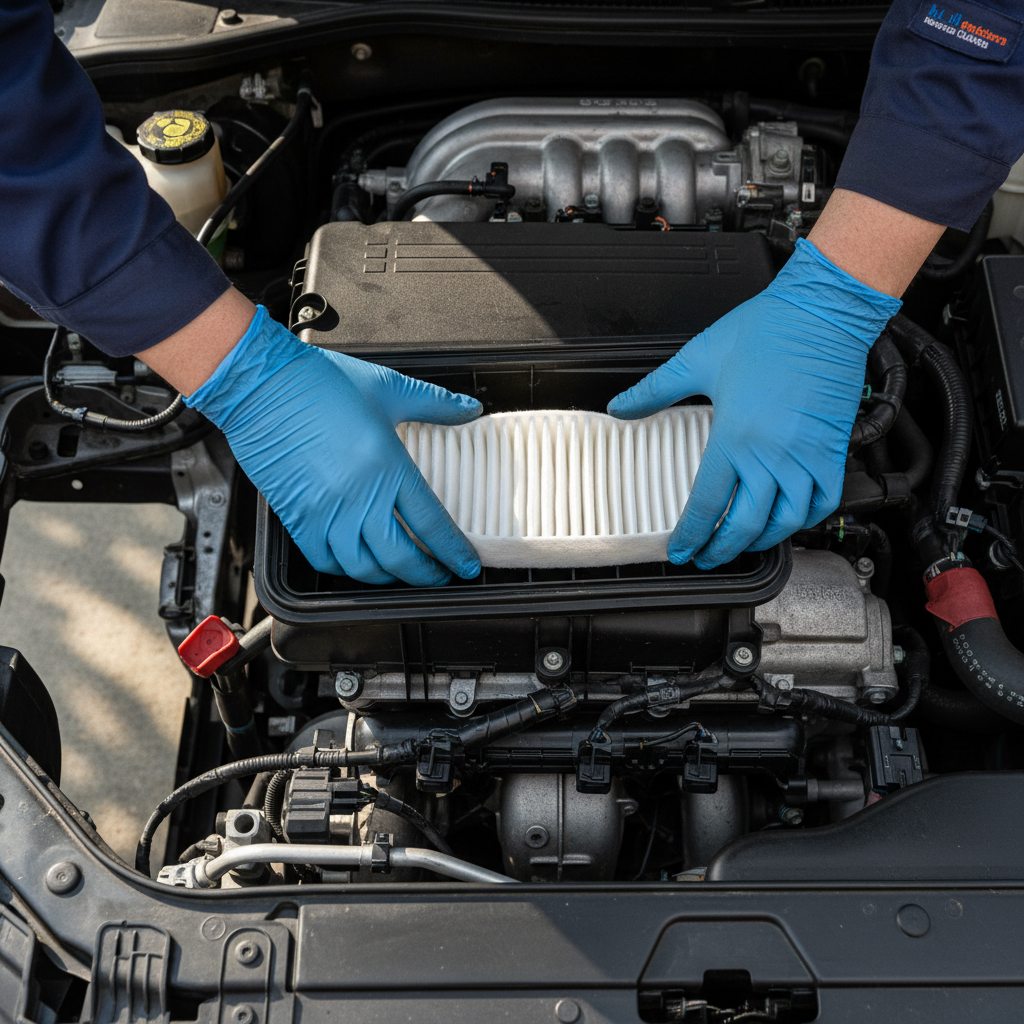
Key Components of a Standard Service
A typical vehicle service covers several critical aspects. Here’s what you can expect:
- Oil and Filter Change: Replacing the oil and filter keeps the engine clean and running efficiently.
- Brake Check: Inspecting the brake pads and discs ensures your safety on the road.
- Tire Inspection: Checking tire pressure and tread depth helps in maintaining fuel efficiency and safety.
Benefits of Regular Vehicle Servicing
Keeping up with regular servicing offers numerous benefits. Firstly, it enhances fuel efficiency by ensuring all components work optimally. Secondly, it increases your car's resale value as a well-maintained vehicle is more appealing to buyers. Lastly, regular servicing ensures your safety by identifying potential issues before they become serious problems.

DIY Maintenance Tips
While professional servicing is crucial, there are simple maintenance tasks you can perform at home. Here are a few:
- Check Fluid Levels: Regularly check oil, coolant, and brake fluid levels.
- Inspect Lights: Ensure all lights are functioning properly, including indicators and brake lights.
- Keep It Clean: Regular washing and waxing protect the paint and prevent rust.
Choosing the Right Service Center
Selecting a reputable service center is vital for quality maintenance. Look for certified technicians and check customer reviews for feedback on their service quality. It's also a good idea to compare pricing and services offered to ensure you get the best value.
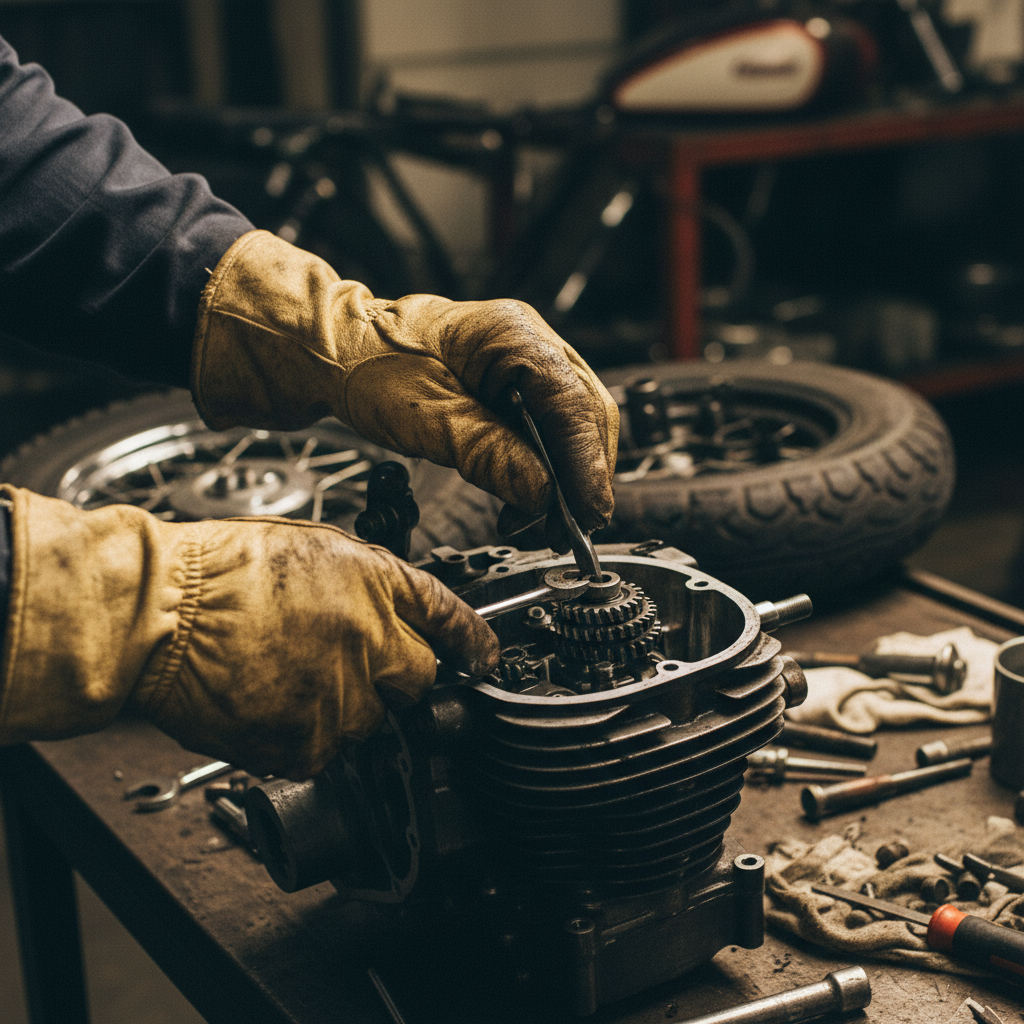
Understanding Service Intervals
Service intervals can vary based on the make and model of your vehicle. Generally, there are two types of services: interim and full. An interim service is typically conducted every six months, focusing on essential checks and replacements. A full service, conducted annually, includes a comprehensive inspection of your car.
By understanding these intervals and adhering to the recommended schedule, you can keep your car in top shape, ensuring reliability and performance for years to come.