
Understanding Exhaust Systems: Common Issues and Solutions
JG
Understanding Exhaust Systems
The exhaust system in a vehicle plays a crucial role in directing harmful gases away from the engine, ensuring optimal performance and reducing noise. However, like any other component, it can face issues that may affect the vehicle's overall efficiency. In this post, we'll explore common problems with exhaust systems and provide solutions to keep your vehicle running smoothly.

Common Exhaust System Issues
Exhaust systems can experience a variety of problems, some of which are more common than others. Understanding these issues can help in diagnosing and addressing them promptly.
- Exhaust Leaks: These can occur when there are holes or cracks in the exhaust pipe, often due to rust or physical damage. Leaks can lead to increased noise and reduced fuel efficiency.
- Clogged Catalytic Converter: A clogged converter restricts exhaust flow, causing engine performance issues and increased emissions.
- Faulty Oxygen Sensor: This sensor monitors the amount of oxygen in the exhaust and helps regulate the fuel-air mixture. A faulty sensor can lead to poor fuel economy and higher emissions.
Diagnosing Exhaust System Problems
Identifying issues with the exhaust system early can prevent more severe problems down the line. Here are some signs to watch for:
- Increased Engine Noise: A louder than usual engine noise may indicate an exhaust leak.
- Decreased Fuel Efficiency: If you're refueling more often, it might be due to exhaust system issues.
- Check Engine Light: This light can be triggered by a variety of exhaust-related problems, including a faulty oxygen sensor.
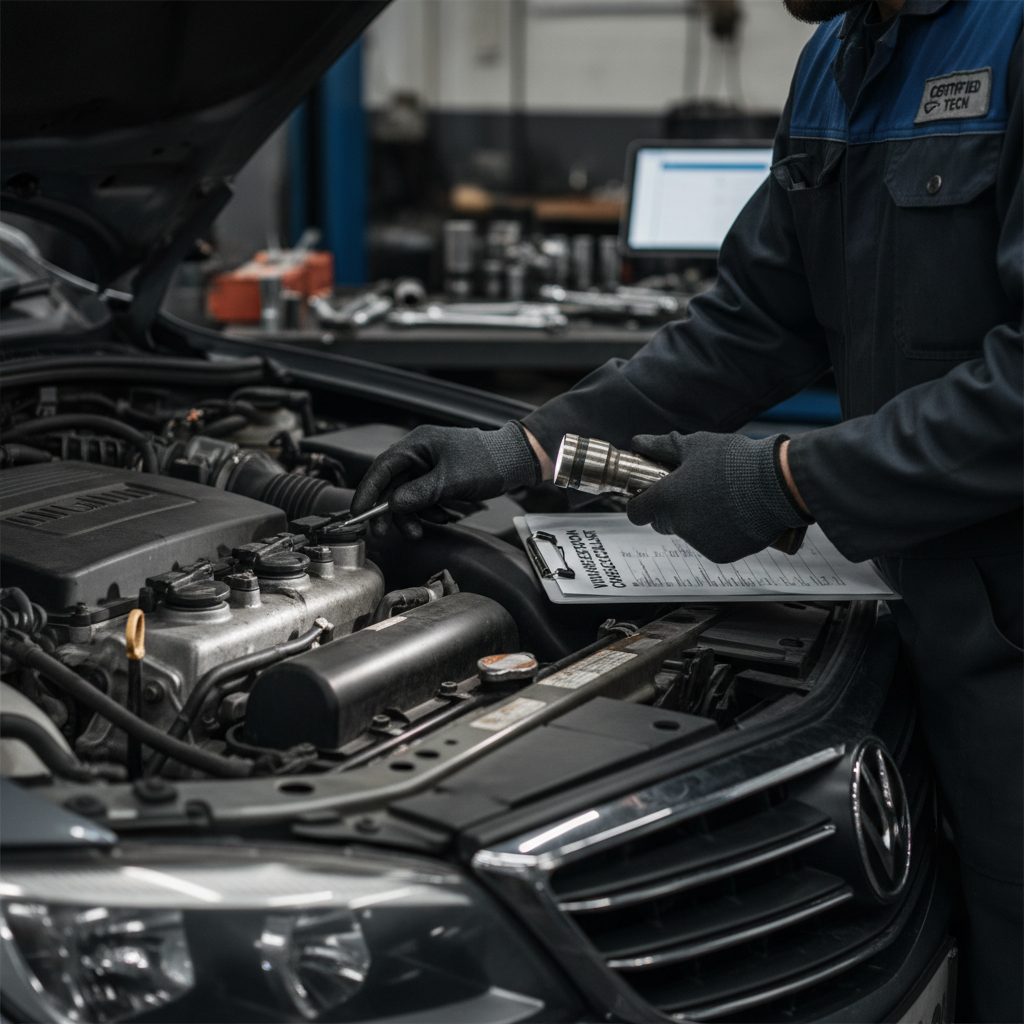
Solutions and Maintenance Tips
Addressing exhaust system issues quickly can save time and money. Here are some solutions and maintenance tips:
Repairing Exhaust Leaks
If you suspect an exhaust leak, it's important to have it checked by a professional. Minor leaks can often be repaired with a sealant, but larger issues may require replacing parts of the exhaust system.
Maintaining the Catalytic Converter
To prevent clogging, ensure your engine is running efficiently and avoid using fuel additives unless necessary. Regular maintenance checks can also help keep the catalytic converter in good condition.
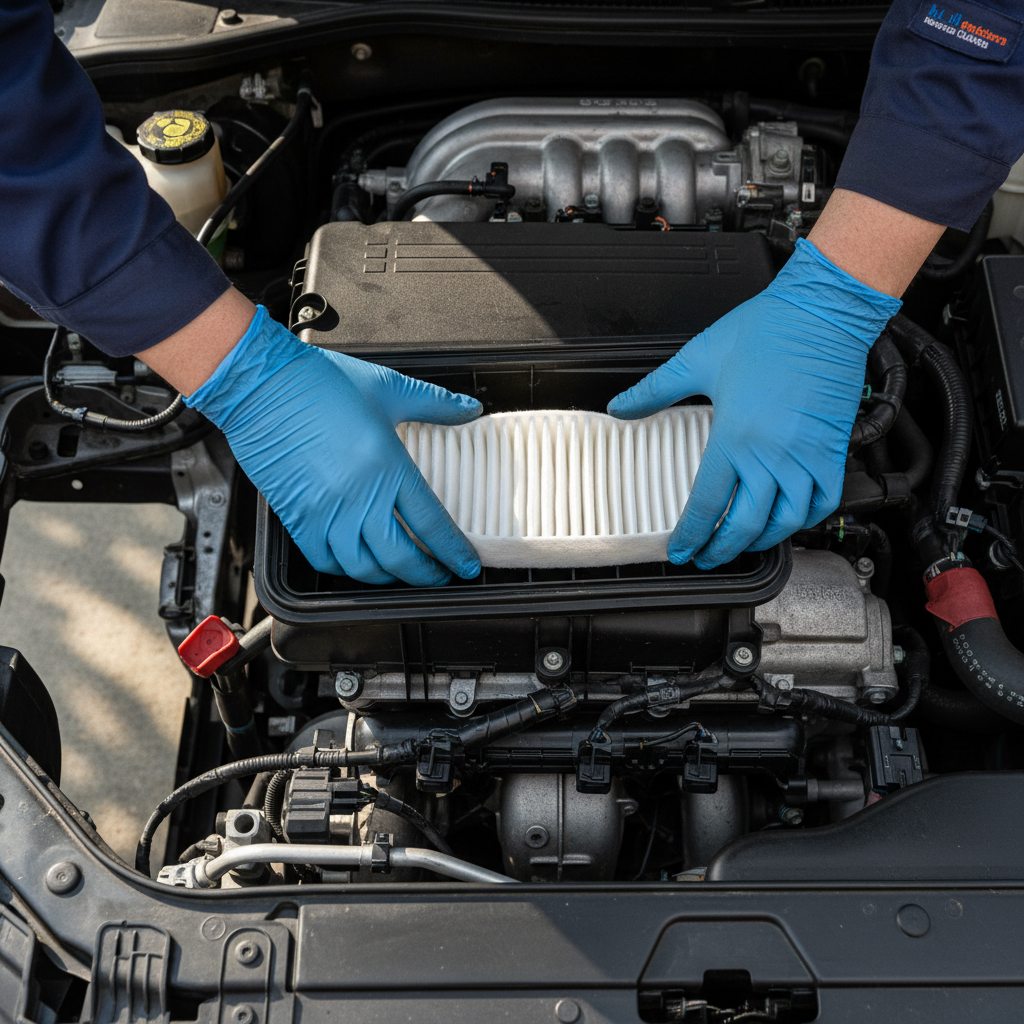
Replacing Oxygen Sensors
Oxygen sensors typically need replacing every 60,000 to 90,000 miles. Keeping these sensors in good working order is essential for optimal vehicle performance. If your check engine light is on, have the sensors tested and replaced if needed.
By understanding and addressing common exhaust system issues, you can ensure your vehicle remains in top condition, providing a safe and efficient driving experience. Regular maintenance and timely repairs are key to preventing major problems and extending the life of your vehicle's exhaust system.