
Understanding the Importance of Regular Engine Diagnostics
JG
Why Regular Engine Diagnostics Matter
Regular engine diagnostics are essential to maintaining the health and longevity of your vehicle. By routinely checking your engine, you can identify potential issues before they become major problems. This proactive approach can save you both time and money in the long run, ensuring your car runs smoothly and efficiently.
Benefits of Engine Diagnostics
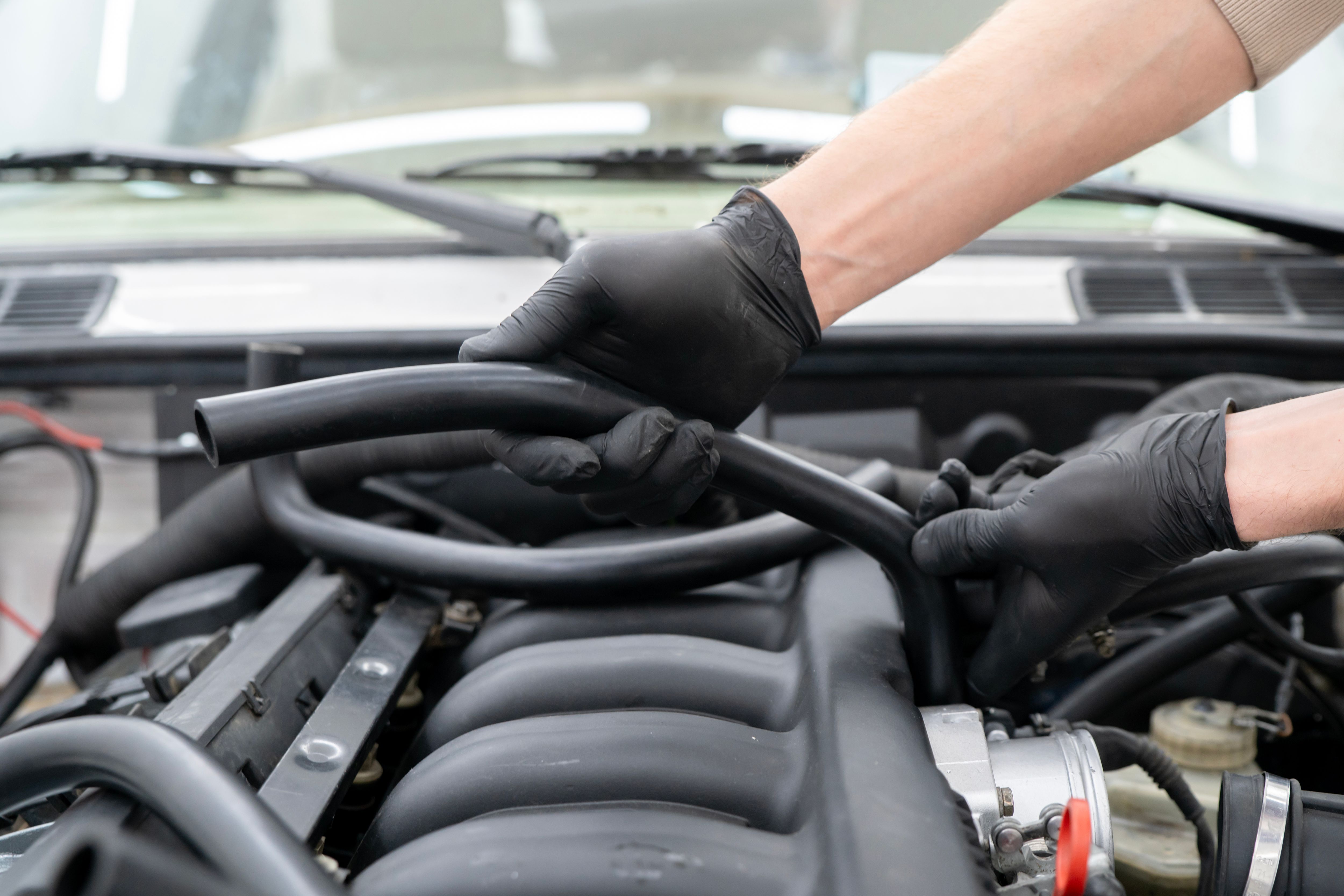
One of the primary benefits of regular engine diagnostics is the ability to detect problems early. By identifying issues such as a failing sensor or a misfiring spark plug, you can address them before they lead to more significant damage. Additionally, diagnostics can improve your vehicle’s fuel efficiency, as a well-maintained engine burns fuel more effectively.
Another advantage is enhanced safety. A vehicle in optimal condition is less likely to experience breakdowns or malfunctions that could lead to dangerous situations on the road. Ensuring your engine is in good shape contributes to a safer driving experience for you and your passengers.
What Does an Engine Diagnostic Involve?
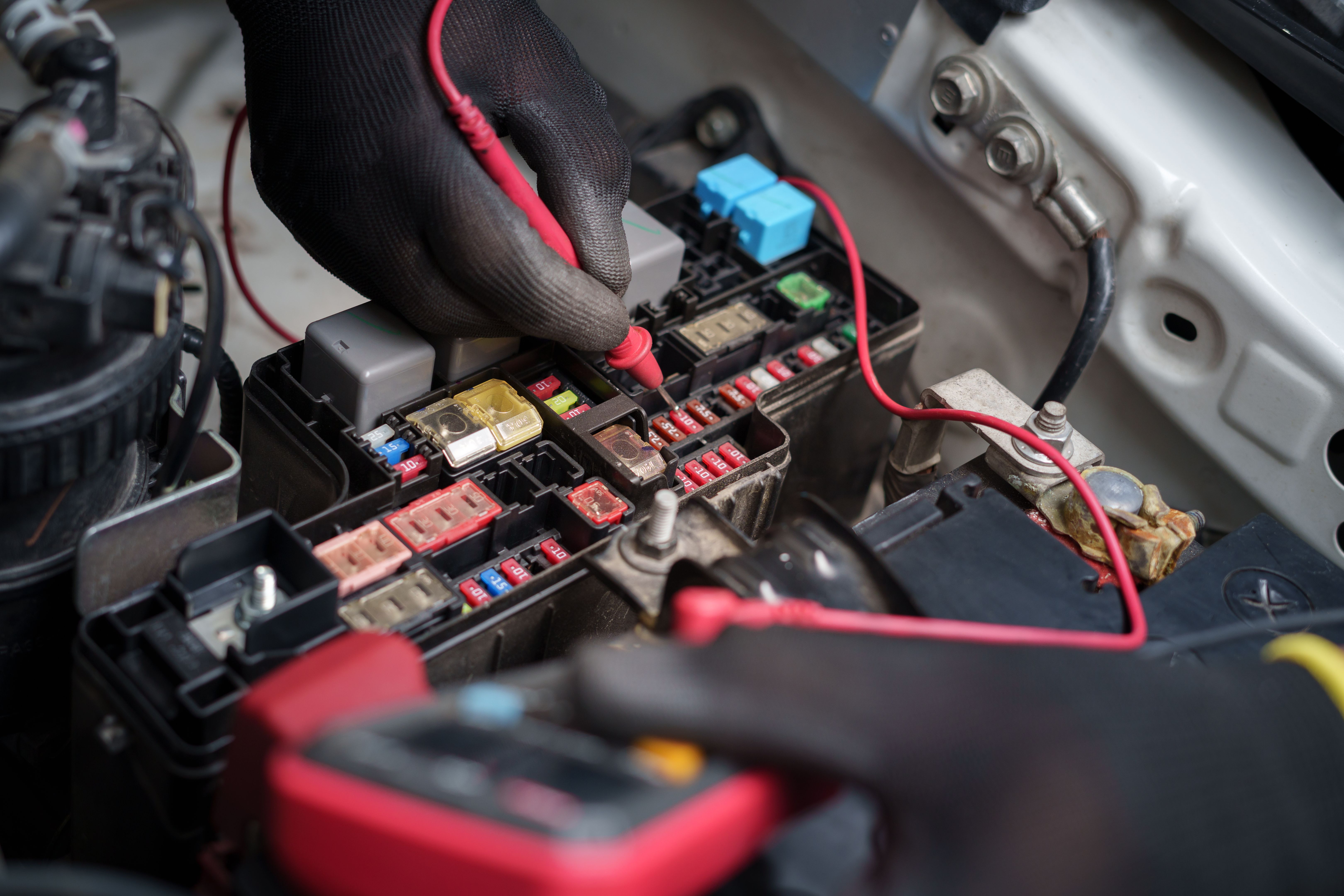
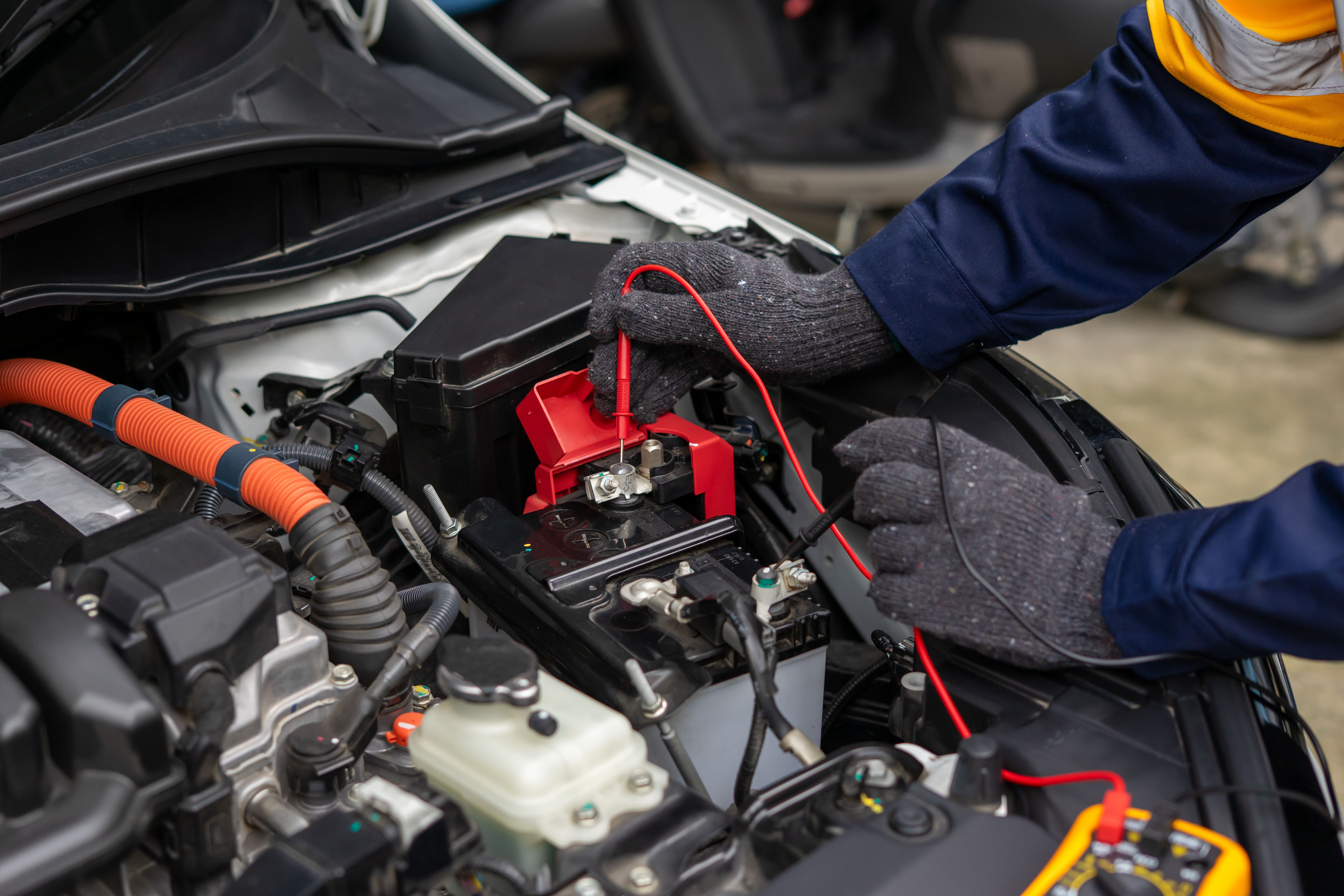
An engine diagnostic typically involves connecting your vehicle to a computer system that reads data from various sensors within the engine. This data can reveal a range of issues, from minor adjustments needed to more significant repairs. The process is usually quick and can be done during routine maintenance checks.
Common areas assessed during a diagnostic include the engine’s ignition system, exhaust system, and fuel injector. Technicians use this information to provide a comprehensive overview of your engine's health, allowing you to make informed decisions about necessary repairs or adjustments.
When Should You Get a Diagnostic?
While it’s a good idea to have diagnostics performed during regular maintenance or oil changes, there are certain signs that may indicate a more immediate need. If your check engine light is on, or if you notice unusual noises, decreased performance, or reduced fuel efficiency, a diagnostic check should be performed as soon as possible.
Regular diagnostics are especially crucial for older vehicles, as wear and tear can lead to more frequent issues. For newer cars, staying on top of diagnostics aids in keeping your vehicle in top condition and maintaining its resale value.
Conclusion: The Value of Preventative Care
In conclusion, regular engine diagnostics are a key component of vehicle maintenance. By investing in these checks, you can ensure the longevity, performance, and safety of your car. Whether you’re a seasoned driver or a new car owner, understanding the importance of diagnostics can help you avoid costly repairs and keep your vehicle running smoothly for years to come.