
Understanding Tyre Replacement Services: A Comprehensive Guide
JG
Why Tyre Replacement Matters
Tyres are the only point of contact between your vehicle and the road, making them a critical component of your car's safety and performance. Regularly checking and replacing tyres when necessary is essential for maintaining optimal handling, fuel efficiency, and safety. Understanding when and how to replace your tyres can prevent accidents and save you money in the long run.
Signs You Need New Tyres
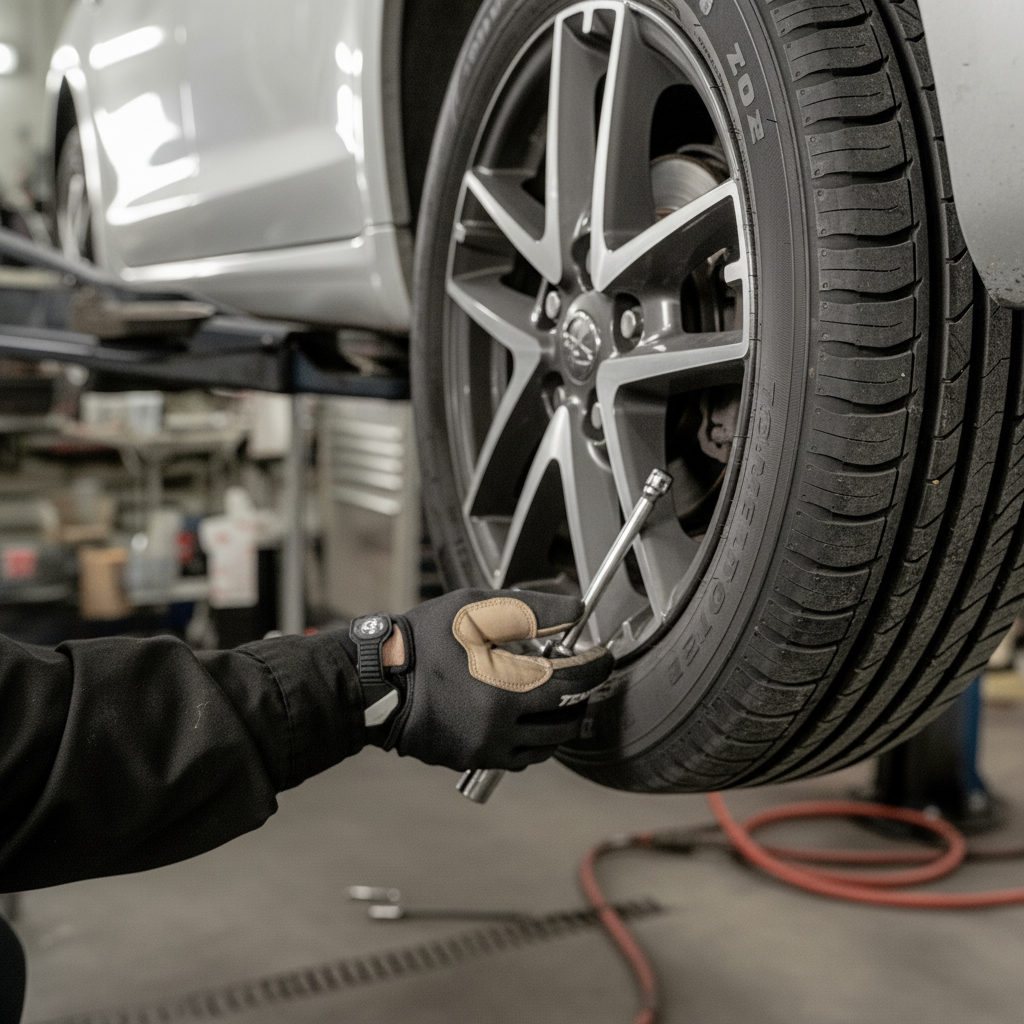
Knowing when to replace your tyres can be challenging. Here are some key indicators that it's time for a change:
- Tread Depth: Tyres with a tread depth below 1.6mm are considered unsafe.
- Cracks and Bulges: Visible cracks or bulges on the tyre surface indicate damage.
- Vibration: Excessive vibration while driving may suggest tyre issues.
Choosing the Right Tyres
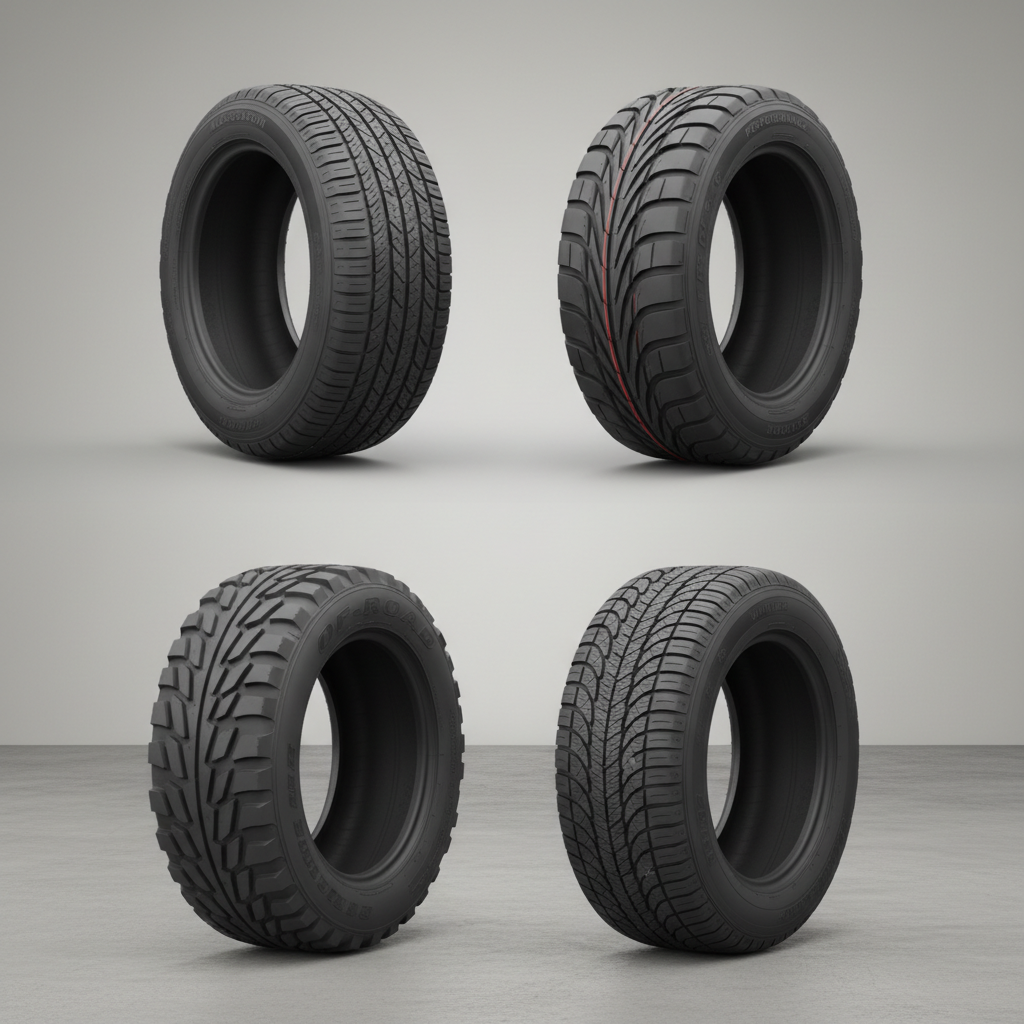
Selecting the right tyres for your vehicle involves considering several factors such as climate, driving habits, and vehicle type. All-season tyres are suitable for moderate climates, while winter tyres are essential in regions with heavy snowfall. Additionally, performance tyres offer enhanced grip and handling for sporty driving.
The Tyre Replacement Process
Understanding the tyre replacement process can help you make informed decisions. Here’s a typical step-by-step guide:
- Inspection and Assessment: A professional will check your tyres for wear and damage.
- Selection: Based on your needs, the right type of tyre is chosen.
- Installation: New tyres are mounted and balanced to ensure smooth driving.
- Alignment: Adjusting the angles of the wheels to the manufacturer's specifications.
Benefits of Professional Tyre Services
While DIY tyre replacement is possible, professional services offer several advantages. Experts have the tools and knowledge to ensure proper installation, balancing, and alignment. This not only enhances safety but also maximizes tyre lifespan and vehicle performance.

Cost Considerations
The cost of tyre replacement can vary widely depending on the type of tyres and service provider. While it might be tempting to opt for cheaper options, investing in quality tyres can save money in the long run by improving fuel efficiency and reducing wear on other vehicle components.
Maintaining Your Tyres
Once you've replaced your tyres, regular maintenance is key to prolonging their life. This includes checking air pressure monthly, rotating tyres every 5,000 to 8,000 miles, and ensuring proper wheel alignment. Proper maintenance can prevent uneven wear and improve fuel economy.
Conclusion
Understanding tyre replacement services is crucial for every vehicle owner. By knowing when to replace your tyres, choosing the right ones, and utilizing professional services, you can enhance your vehicle’s safety and performance. Regular maintenance will ensure you get the most out of your investment, keeping you safe on the road.