
Winter Car Servicing Tips: Prepare Your Vehicle for Cold Weather
JG
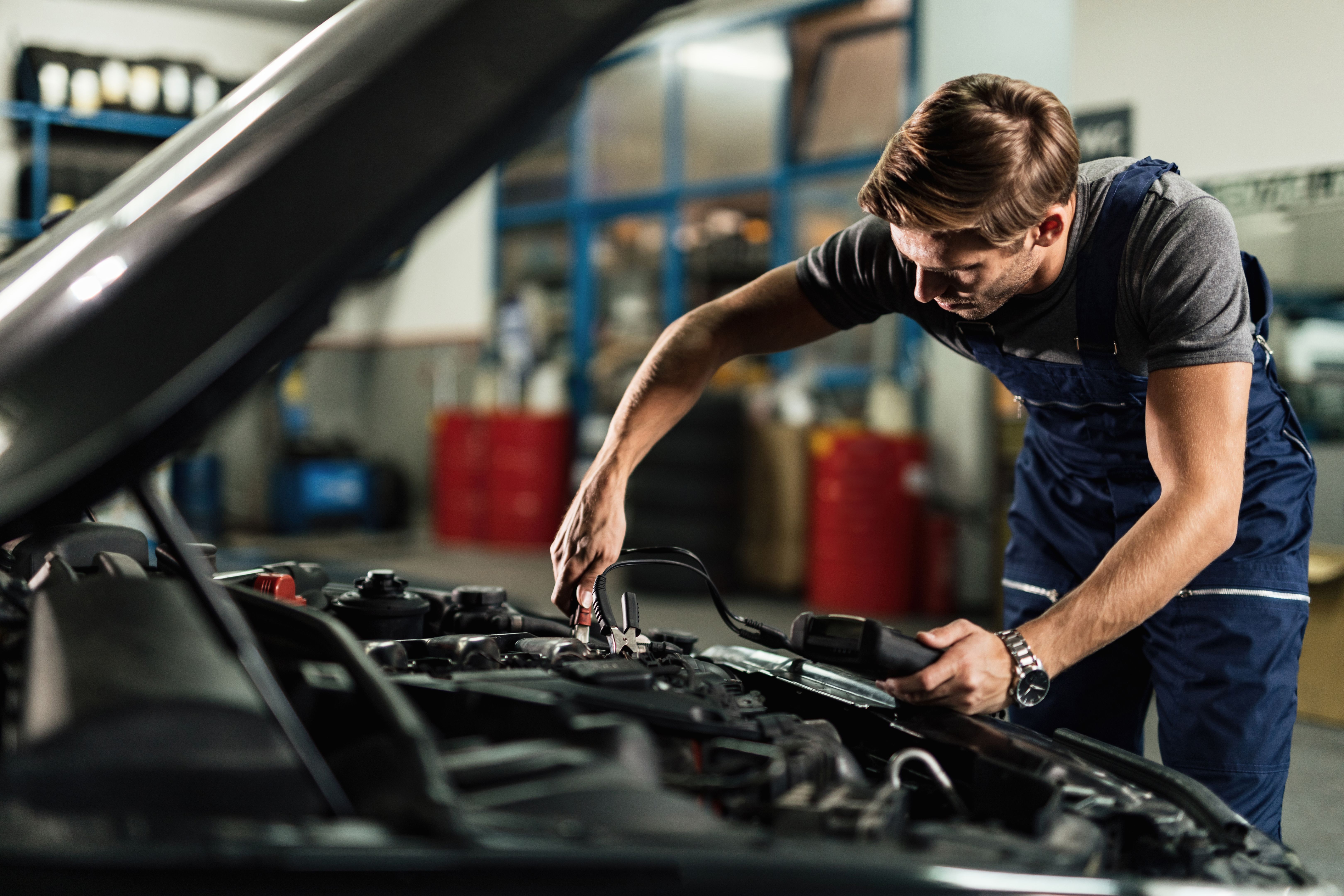
Check Your Battery
As temperatures drop, the chemical reactions within your car battery slow down, reducing its efficiency. It's crucial to ensure your battery is in peak condition before winter sets in. Consider having a professional test its charge and replace it if necessary. Cold weather can drastically reduce battery power, so don't wait until you're stranded to address this issue.
If your battery is more than three years old, it might be time for a replacement. Additionally, ensure the terminals are clean and free from corrosion to maintain a strong connection.
Inspect Your Tires
Tires are your vehicle's first line of defense against slippery roads. As temperatures fall, tire pressure can decrease, affecting your car's handling and safety. Check your tire pressure regularly and adjust as needed. Refer to your vehicle's manual for the recommended PSI.
Consider switching to winter tires if your area experiences heavy snowfall. These tires provide better traction and stability on icy roads, enhancing your safety.
Check Tread Depth
Ensure your tires have adequate tread depth to handle winter conditions. A simple way to check is by using the penny test. Insert a penny into the tread groove with Lincoln's head upside down. If you see the top of his head, it's time for new tires.

Maintain Your Fluids
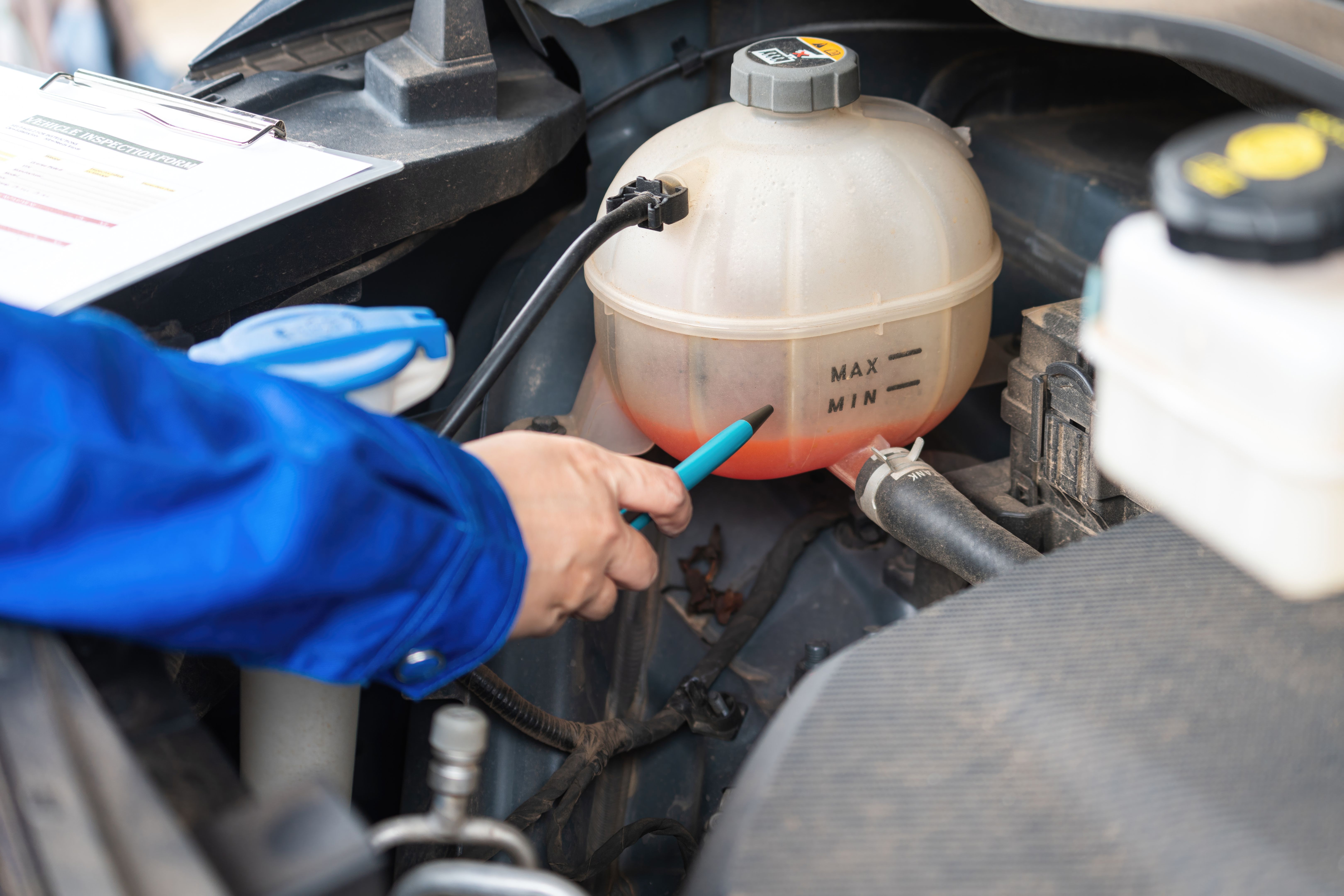
Your vehicle relies on various fluids to function correctly, and many of these need special attention in winter. Check your antifreeze levels and top up if necessary. This fluid prevents your engine from freezing and overheating.
Additionally, ensure your windshield washer fluid is rated for cold temperatures. Regular fluids can freeze, leaving you without a clear view of the road.
Oil and Transmission Fluids
Cold weather can affect the viscosity of your oil and transmission fluids. Consider switching to a winter-grade oil if you live in an extremely cold area. Regularly check levels and top up as needed to ensure smooth operation.
Test Your Heating System
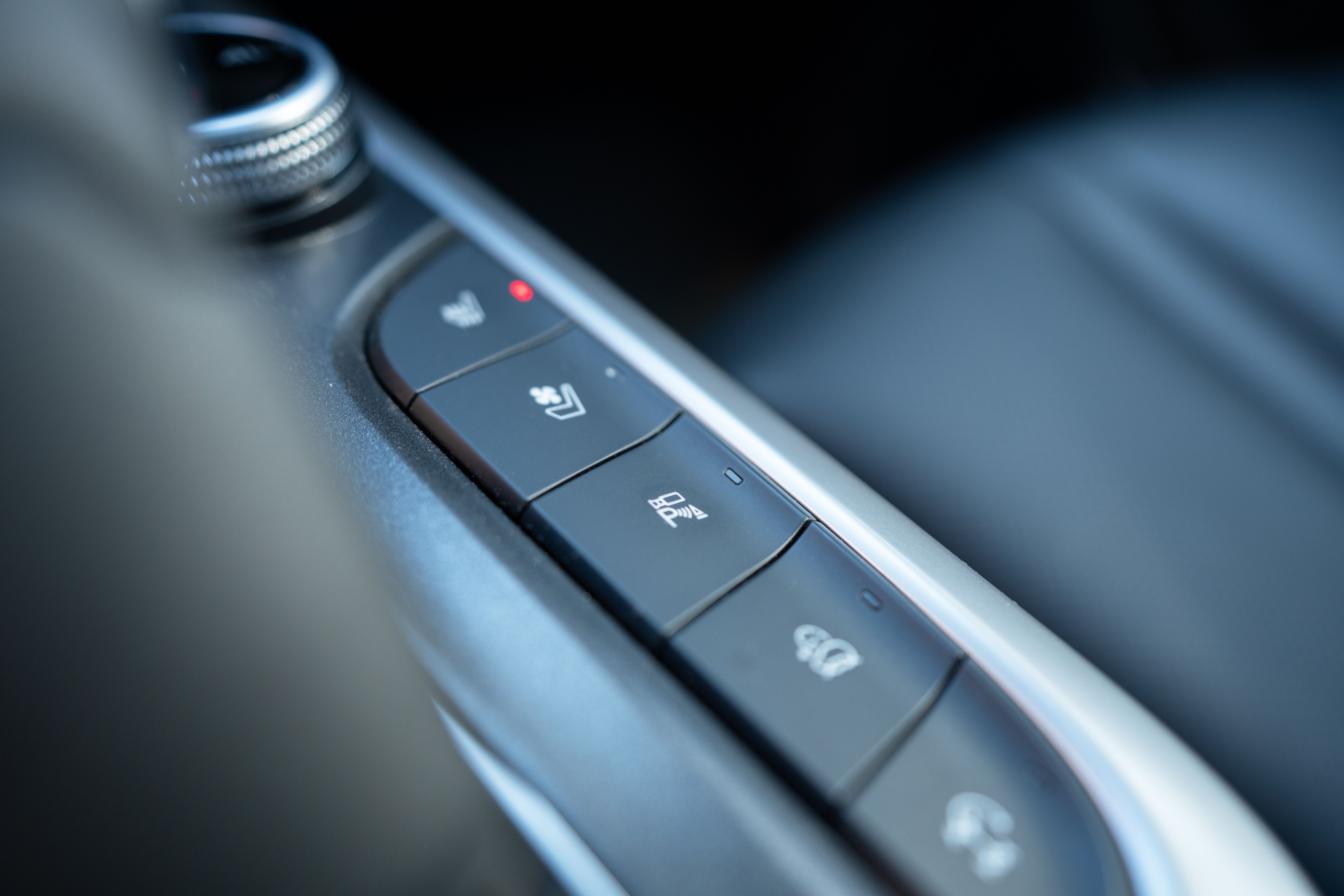
A reliable heating system is essential for both comfort and safety during the winter months. Before the cold weather hits, test your car's heater and defroster to ensure they are functioning properly.
If you notice any issues, such as weak airflow or strange odors, have a professional inspect your system. These could be signs of a larger problem that needs addressing.
Check Cabin Air Filter
Your cabin air filter can affect your heating system's efficiency. Replace it if it's clogged or dirty to improve airflow and keep your car's interior cozy and warm.
Prepare an Emergency Kit
It's always wise to be prepared for unexpected situations. Assemble a winter emergency kit to keep in your car. Include items such as a flashlight, blankets, a first-aid kit, and non-perishable snacks.
Additionally, consider carrying a snow shovel, ice scraper, and jumper cables. These tools can be invaluable if you find yourself stuck or in need of assistance during a winter storm.
Stay Connected
Ensure your cell phone is fully charged before heading out, and keep a car charger handy. Staying connected can be crucial in an emergency, allowing you to call for help if needed.